

Articles

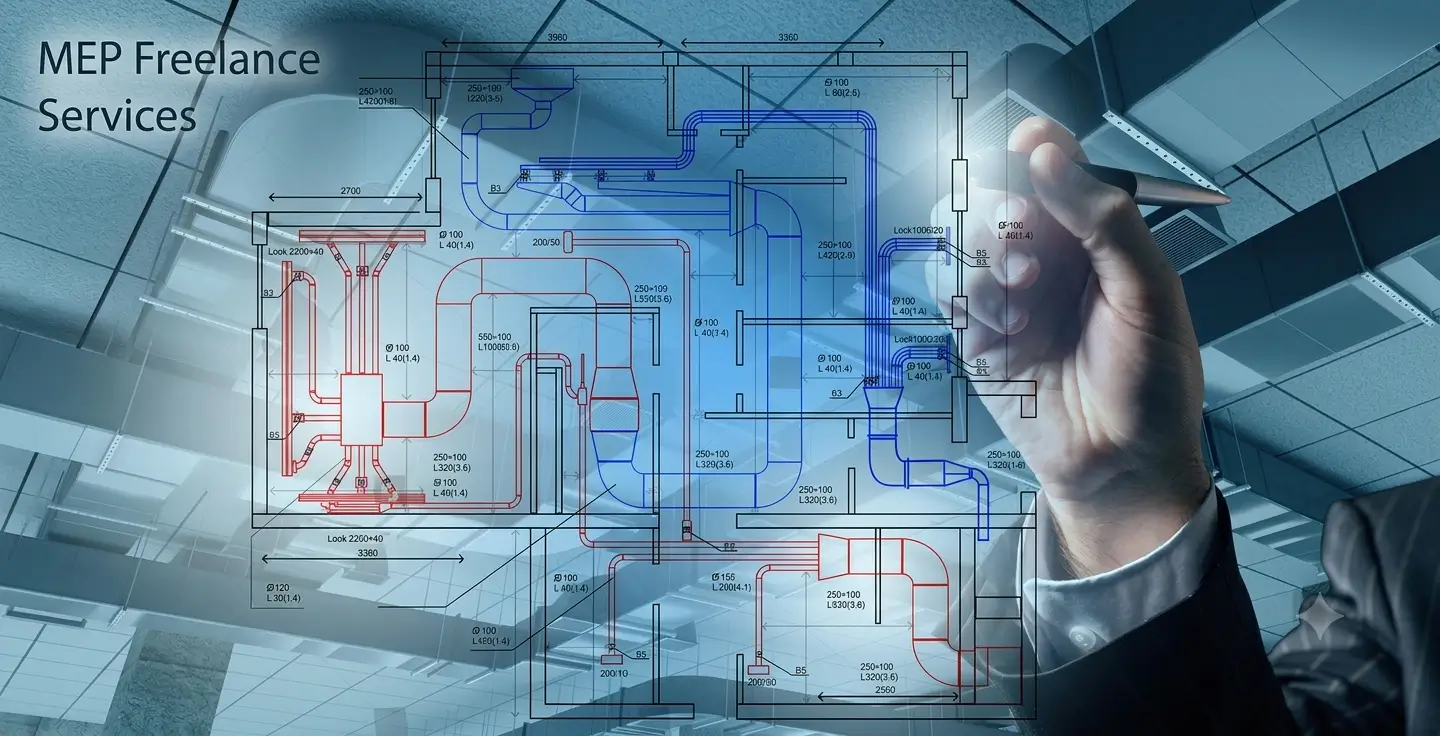
When evaluating which MEP engineering firms offer the best value for small to mid-size businesses, commercial property developers, business owners, and general contractors must look beyond the initial price tag. For a small to mid-size business (SMB), physical infrastructure represents both a significant capital expenditure and a critical operational foundation. Mechanical, Electrical, and Plumbing (MEP) systems are the life support networks of any building. If they are over-designed, they drain your precious capital; if they are under-designed or poorly coordinated, they lead to catastrophic operational delays, high maintenance costs, and expensive change orders during construction.
Navigating the engineering market requires a strategic approach. Large, multi-national engineering conglomerates often focus their top-tier talent on multi-million dollar mega-projects, leaving smaller clients with junior staff and rigid, boilerplate designs that carry inflated overhead fees. Conversely, cut-rate, ultra-cheap drafting operations may deliver drawings that fail to pass local municipal reviews, forcing businesses into continuous revisions. Finding the absolute best value means seeking out agile, highly specialized engineering firms that combine technical excellence with business pragmatism.
Defining Value in MEP Engineering: Cost-Cutting vs. True ROI
Before diving into firm selection, it is crucial to re-evaluate what “value” means in the context of building systems engineering. True value engineering is not an exercise in basic cost-cutting. It does not mean substituting high-efficiency machinery with low-quality components or removing vital safety features simply to lower a contract price. Instead, true value engineering focuses on maximizing functionality, system reliability, and energy performance while minimizing both initial capital expenditure (CapEx) and long-term operational expenditure (OpEx).
For an SMB, a value-driven MEP firm conducts a meticulous analysis of the project’s unique constraints. They balance equipment performance with the owner’s actual operational workflows. By choosing smart alternative layouts, optimizing routing paths for ductwork and piping, and right-sizing equipment to match real-world building thermal loads, a high-value firm routinely saves clients between 10% and 15% on total construction costs. Furthermore, they ensure the finished facility complies completely with strict modern building baselines, such as the energy efficiency standards established by the American Society of Heating, Refrigerating and Air-Conditioning Engineers (ASHRAE).
A Deep Dive into Which MEP Engineering Firms Offer the Best Value for Small to Mid-Size Businesses
To pinpoint exactly which MEP engineering firms offer the best value for small to mid-size businesses, you must examine the internal structural dynamics of the engineering provider. The market is broadly divided into three tiers: large-scale multidisciplinary firms, freelance drafting services, and specialized mid-market engineering firms.
The Pitfalls of Large Multi-National Conglomerates
Large-scale corporations carry enormous institutional overhead. Their corporate structures include extensive management layers, massive marketing departments, and expansive legal teams. When a small or mid-sized commercial project—such as a retail fit-out, a medical clinic, a corporate office renovation, or a boutique warehouse—is contracted to these firms, the project is frequently designated as a low priority. The actual design work is often delegated to junior drafters or offshore production centers, while the client pays a premium rate that subsidizes the firm’s heavy operational overhead.
The Dangers of Low-Cost Freelance Services
On the other side of the spectrum, individual freelance designers or unaccredited drafting services present an enticingly low upfront cost. However, they rarely provide true value. These entities often lack comprehensive professional liability insurance (Errors and Omissions), possess limited multi-disciplinary coordination tools, and struggle to keep up with rapidly evolving local building codes. A cheap drawing set that results in building department rejection, extensive Requests for Information (RFIs) from contractors, or field clashes during installation will ultimately cost many thousands of dollars more than a professional design.
The Sweet Spot: Specialized, Agile Engineering Teams
The highest value for SMBs resides within boutique and mid-sized engineering firms that specialize directly in small-to-medium enterprise projects. These firms maintain lean corporate operations, utilize cutting-edge Building Information Modeling (BIM) software, and prioritize direct client communication. When you partner with an agile engineering team, you gain access to seasoned principals who remain actively involved in your project from initial conception through to final construction commissioning. They treat your mid-sized budget with the high degree of respect and attention it deserves.
7 Critical Parameters to Measure Engineering Firm Value
When vetting potential engineering partners for your next construction or renovation project, use these seven baseline criteria to accurately quantify the real value they bring to your business.
1. Principal-Led Project Involvement
Value begins with expertise. When interviewing a firm, ask explicitly who will be responsible for executing your designs and attending coordination meetings. High-value firms assign experienced, licensed professional engineers (PEs) to lead the project. Having a senior engineer design your infrastructure means potential installation hurdles are identified and resolved on the screen rather than in the field, saving you from costly construction delays.
2. Multi-Disciplinary Coordination and Integration
Mechanical, electrical, and plumbing systems do not exist in isolation. A duct line cannot occupy the same structural clearance as a waste line or a main electrical conduit run. Firms that deliver superior value offer fully integrated services where mechanical, electrical, and plumbing engineers work synchronously. This cross-discipline harmony ensures that structural constraints, architectural aesthetics, and utility service points are completely aligned before the drawings ever reach the field.
3. Advanced BIM and 3D Clash Detection
Modern engineering value is deeply tied to technology. Firms relying solely on legacy 2D drafting programs are prone to missing spatial conflicts hidden behind ceilings and within wall cavities. Top-tier value firms utilize advanced Building Information Modeling (BIM) platforms like Autodesk Revit. This software builds a highly detailed 3D digital twin of your facility, allowing for automated clash detection. Identifying a spatial conflict digitally takes minutes to fix; discovering it during construction can stall an entire job site for days.
4. Hyper-Local Regulatory and Code Expertise
Every municipality enforces a unique web of building codes, zoning bylaws, energy compliance mandates, and fire safety regulations. A firm with localized experience understands the exact documentation patterns, formatting preferences, and specific interpretations required by local plan reviewers. This specialized insight ensures your project receives its building permits quickly, avoiding costly delays that postpone your operational start date.
5. Adaptability to Small and Mid-Market Project Budgets
A high-value engineer understands that small and mid-size businesses operate on tight capital constraints. Instead of specifying complex, proprietary automated systems that require expensive specialized maintenance, they design robust, open-source, easily serviceable building systems. They provide design alternatives that give you the freedom to choose equipment that balances reasonable upfront costs with reliable long-term performance.
6. Transparent, Fixed-Fee Pricing Models
Value cannot exist without financial predictability. Low-value firms often provide deceptively low, vague initial estimates, only to hit you later with a barrage of additional charges for basic revisions, code adjustments, or standard contractor consultations. High-value firms provide thoroughly detailed, transparent proposals with clearly defined scopes of work and fixed-fee pricing models. You know exactly what you are paying for from day one.
7. Post-Design Support and Construction Administration
The engineering process does not end when the construction blueprints are stamped and delivered. True value firms offer comprehensive construction administration services. They actively review contractor submittals, answer field RFIs promptly, perform site visits to verify installation quality, and participate in final system testing. This continuous oversight guarantees that the engineering team’s design intent is fully realized by the construction crew.
Maximizing Value Across Core Engineering Disciplines
To truly appreciate how a dedicated engineering partner saves your business capital, we must look closely at how value engineering is systematically integrated across the three primary engineering branches.
Optimization
- Thermal Load Modeling
- Ventilation Zoning
- Indoor Air Quality (IAQ)
Engineering
- Load Balancing (NEC)
- Dedicated Circuiting
- Energy-Efficient Lighting
Design & QA
- Sizing & Routing
- Backflow Prevention
- Conservation & Reuse
Comprehensive MEP Strategy for SMBs
A successful commercial development depends entirely on the seamless union of all building utilities. Utilizing cohesive, comprehensive MEP plan services allows small and mid-size businesses to streamline their entire pre-construction phase. Instead of managing separate contracts for mechanical, electrical, and plumbing designers, an integrated approach ensures all three systems are engineered as a singular, unified machine. This holistic strategy drastically reduces systemic errors, speeds up the municipal permitting pathway, and gives project owners a clear, singular point of accountability throughout the design cycle.
Mechanical Systems and HVAC Optimization
Heating, ventilation, and air conditioning (HVAC) systems are typically the single largest consumer of energy in a commercial building, while also representing a massive portion of the initial construction budget. High-value engineering firms do not rely on rough rules-of-thumb—such as square-footage estimates—to size equipment. Instead, they perform precise hourly thermal load calculations using advanced software, taking into detailed account building insulation performance, window placements, local weather patterns, and specific internal equipment heat outputs.

By avoiding over-sizing, engineers can save business owners thousands of dollars on equipment costs alone. Furthermore, a perfectly tailored HVAC layout plan ensures optimal duct routing, proper external static pressure balancing, efficient zone control, and excellent indoor air quality. This targeted approach prevents the common workplace issues of uneven temperatures, noisy air distribution, and skyrocketing utility bills, fostering a highly comfortable and productive environment for your employees and customers alike.
Electrical Systems and Infrastructure Integrity
For a growing business, electrical reliability is absolutely non-negotiable. Whether you are setting up a modern corporate office with extensive server infrastructure, a restaurant with heavy kitchen appliances, or a light manufacturing center, your electrical system must be safe, resilient, and fully scalable. Value-driven electrical engineering services focus on careful load balancing in strict compliance with the National Electrical Code (NEC).
Experienced electrical engineers systematically calculate the precise electrical demands of your facility to design efficient main switchboards, balanced distribution panels, and optimized dedicated branch circuits. They protect your operations from costly downtime caused by unexpected circuit overloads, power surges, or harmonic disruptions. Additionally, they integrate energy-efficient LED lighting configurations, smart daylight harvesting controls, and code-compliant emergency backup systems that significantly lower your monthly power expenses while maximizing operational safety.
Plumbing and Public Health Engineering
Plumbing engineering is a fundamental pillar of public health and structural safety. High-value plumbing design goes far beyond plotting piping paths on a floor plan. It encompasses precise water supply fixture unit (WSFU) calculations, smart drainage venting strategies, efficient hot water generation loops, and robust grease interceptor or backflow prevention layouts.
An engineered plumbing plan ensures that your facility maintains consistent water pressure, runs completely free of structural drainage leaks, and fulfills all local environmental protection mandates. By selecting highly durable, sustainable materials and incorporating smart water conservation fixtures, value-oriented plumbing designs help SMBs lower utility fees and protect the structural longevity of their real estate investment.
The Severe Financial Pitfalls of Cheap Engineering Designs
It is a common trap for small and mid-size businesses to select an engineering partner based entirely on the lowest bid. While saving a few thousand dollars on design fees may look great on a spreadsheet initially, the downstream financial consequences of subpar engineering can quickly devastate an SMB’s project budget.
| The “Cheap” Engineering Outcome | The Value-Engineered Solution | Financial & Operational Impact |
| Boilerplate, Over-Sized Systems Engineers use crude rules-of-thumb to avoid performing detailed calculations, resulting in massively oversized equipment. | Precisely Right-Sized Systems Engineers run advanced thermal and electrical load simulations tailored to actual building usage. | Massive Savings on CapEx & OpEx Reduces initial equipment purchase prices by thousands and lowers ongoing energy bills. |
| Uncoordinated 2D Layouts Drawings are produced in isolation without checking for physical space overlaps between utilities. | 3D BIM Coordination & Clash Detection Systems are digitally modeled together to eliminate cross-discipline physical interference before fabrication. | Elimination of Field Change Orders Avoids costly construction halts, field modifications, and expensive material waste. |
| Generic, Vague Specifications Blueprints lack precise connection details, component schedules, or exact routing paths. | Comprehensive Construction Documents Drawings include highly precise, unambiguous specifications and detailed installation schematics. | Accurate Contractor Bidding Prevents contractors from inflating their installation bids to cover missing design details. |
| Permit Delays & Code Violations Drawings fail to comply with specific local municipal codes, resulting in immediate rejection. | Hyper-Local Code Compliance Designs are carefully tailored to meet all local, state, and national building, health, and energy codes. | Accelerated Project Timelines Secures building permits quickly, enabling the business to open its doors on schedule. |
5-Step Evaluation Strategy to Choose the Right MEP Firm
To ensure you select an MEP engineering provider that delivers genuine, long-term value for your organization, implement this structured five-step evaluation framework during your procurement process.
Step 1: Define Your Internal Project Goals
Before reaching out to engineering firms, establish your core operational objectives. Are you executing a straightforward tenant improvement, or are you prioritizing long-term sustainability and energy efficiency? Having a clearly defined framework helps prospective engineers understand your specific priorities, allowing them to tailor their proposals directly to your business goals.
Step 2: Verify Professional Licensing and Insurance
Ensure every engineering firm you evaluate employs fully licensed Professional Engineers (PEs) who maintain active registrations in the specific state or territory where your project is located. Additionally, verify that the firm holds comprehensive professional liability insurance. This foundational step protects your business from potential legal and financial liabilities should design errors occur during construction.
Step 3: Audit Their Portfolio of Similar Projects
An engineering firm that designs massive, multi-million dollar high-rise towers may not have the right agility or mindset for a mid-market commercial renovation. Ask to see a portfolio of completed projects that closely match the scale, budget, and complexity of your own. Look for case studies that demonstrate a proven track record of helping small to mid-size businesses achieve their goals efficiently.
Step 4: Assess Their Technology and Workflow Capacity
Ask prospective partners about their specific design toolsets. Ensure they utilize modern 3D BIM workflows rather than outdated, flat 2D programs. Furthermore, ask about their standard communication protocols. A high-value firm will establish a clear, structured framework for updates, providing you with regular progress reports and remaining easily accessible for team coordination.
Step 5: Analyze Proposals Beyond the Initial Fee
When reviewing engineering bids, look past the baseline cost figure. Carefully evaluate the comprehensiveness of the scope of work, the specific engineering hours allocated to your project, and the inclusion of vital construction administration support. A slightly higher design fee from a thorough, dedicated firm frequently saves you tens of thousands of dollars in averted construction errors and optimized equipment selections.
Long-Term Benefits of Value-Driven MEP Engineering
Investing in a high-value engineering design yields substantial financial and operational dividends long after your building’s construction phase is complete.
- Substantially Lower Utility Costs: By implementing optimized thermal envelopes, highly efficient lighting layouts, and smart variable-speed mechanical controls, value-engineered facilities consistently experience lower monthly energy and water bills.
- Reduced Long-Term Maintenance Burdens: Right-sized, high-quality systems operate under lower mechanical stress, significantly extending equipment lifespans and reducing the frequency of unexpected, expensive breakdowns.
- Enhanced Internal Comfort and Productivity: Consistently balanced indoor temperatures, excellent ventilation, and well-designed lighting systems directly improve the comfort, health, and daily productivity of your employees.
- Inherent Future Scalability: A forward-thinking engineering partner designs your core electrical panels, primary plumbing loops, and main mechanical pathways with built-in flexibility, allowing your business to expand its operations smoothly without requiring major infrastructure overhauls down the road.
Conclusion: Securing Maximum Value for Your Business
Determining which MEP engineering firms offer the best value for small to mid-size businesses comes down to finding an agile, tech-forward partner that respects your budget and understands your operational goals. True value is found in comprehensive, accurate design documents that streamline your permitting process, prevent costly construction modifications, and minimize your ongoing utility expenses.
By avoiding the heavy institutional overhead of large corporate conglomerates and bypassing the risks of cut-rate drafting operations, SMBs can maximize their returns by partnering with specialized engineering teams. Investing in detailed, coordinated building designs protects your capital, de-risks your construction timeline, and establishes a highly efficient, reliable physical foundation for your business’s long-term success.