

Articles


When seeking MEP design services, you are making one of the most vital decisions for the entire lifecycle of your building project. Mechanical, Electrical, and Plumbing (MEP) systems are essentially the central nervous system of any residential, commercial, or industrial structure. Without professional engineering and precise planning in these areas, even the most architecturally stunning building will fail to be comfortable, functional, sustainable, or safe for its occupants.
In the contemporary construction landscape, the demand for energy-efficient, sustainable, and technologically advanced buildings is at an all-time high. This makes the role of skilled engineers more critical than ever. In this comprehensive, deep-dive guide, we will explore the intricate world of building systems engineering, the compounding benefits of utilizing top-tier engineering teams, and why getting these systems right from the very beginning can save developers, contractors, and building owners massive amounts of time and capital.
What Exactly Are MEP Design Services?
At its core, building systems engineering involves the seamless integration of three vital engineering disciplines: Mechanical, Electrical, and Plumbing. These three pillars work in absolute tandem to ensure that a building is not just a hollow shell, but a living, breathing, habitable environment that operates fluidly.
Historically, these three disciplines were often designed in deep isolation from one another. Architects would finish their floor plans, and individual engineers would draft their respective plans on separate layers of tracing paper. This fragmented approach inevitably led to massive coordination headaches and budget overruns during the actual construction phase. An electrical conduit might be mistakenly planned to run straight through a major structural beam, or a massive air conditioning duct might clash directly with essential plumbing vents.
Today, advanced MEP design services leverage collaborative technologies, unified workflows, and holistic planning to ensure that all three systems coexist harmoniously within the architectural and structural framework. This modern, integrated approach shifts the focus from merely resolving physical space constraints to optimizing systemic synergy.
For example, a mechanical system’s cooling load heavily depends on the electrical system’s lighting heat output, and the plumbing system’s water heaters require specific electrical power or natural gas lines. An integrated engineering strategy ensures that the entire building operates efficiently as a single, unified machine rather than an assortment of competing utilities.
The 3 Core Components of MEP Design Services
To truly appreciate the value of these comprehensive engineering services, it is helpful to break down the individual disciplines and look at the specific responsibilities, challenges, and deliverables associated with each one.
1. Mechanical Engineering (HVAC Systems)
The mechanical component primarily focuses on Heating, Ventilation, and Air Conditioning (HVAC). This is arguably the most complex, energy-demanding, and physically bulky system within a modern building. It is tasked with maintaining a comfortable, healthy indoor environment regardless of the extreme weather conditions outside.
Mechanical engineers are responsible for calculating the precise thermal loads of every single room in a building. They must consider an incredibly wide array of variables, including:
- Solar heat gain through windows based on geographic orientation.
- The thermal resistance (R-values) of the building’s insulation, roofing, and wall assemblies.
- Sensible and latent heat generated by occupants, lighting, computers, and appliances.
- Infiltration rates of outside air leaking through the building envelope.
Based on these exhaustive calculations, they develop a comprehensive HVAC layout plan that sizes the equipment perfectly. Oversized equipment leads to short-cycling, wasted energy, and severe humidity problems, while undersized equipment results in perpetually uncomfortable spaces and overworked machinery that breaks down prematurely.
Furthermore, mechanical engineering encompasses critical ventilation strategies. Proper indoor air quality (IAQ) is vital for the health, well-being, and cognitive productivity of the building’s occupants. Engineers must design systems that exhaust stale air, moisture, and pollutants while introducing fresh, filtered outdoor air. This process often incorporates advanced energy recovery ventilators (ERVs) that pre-condition incoming air using the energy of the exhaust air, drastically cutting utility expenses. They must adhere strictly to international guidelines, such as those established by ASHRAE (The American Society of Heating, Refrigerating and Air-Conditioning Engineers).
2. Electrical Engineering (Power and Light)
The electrical engineering phase ensures that the building has the safe, resilient, and scalable power it needs to function. Electrical engineers design the entire power distribution infrastructure, starting from the utility company’s high-voltage connection down to the individual wall outlets and low-voltage data ports.
Key elements of a comprehensive electrical design include:
- Power Distribution & Service Entrance: Sizing main transformers, switchgear, panelboards, and motor control centers to handle the building’s total connected and demand electrical loads safely without overloading.
- Lighting Design & Control: Creating lighting layouts that provide excellent visual comfort and aesthetics for various tasks while minimizing energy consumption. This involves specifying advanced LED fixtures and smart lighting control systems, such as occupancy sensors, timers, and daylight harvesting systems that dim interior lights when natural sunlight is abundant.
- Emergency & Standby Power: Designing backup power systems, including diesel or natural gas generators and Uninterruptible Power Supplies (UPS), to keep critical life safety systems, data centers, and refrigeration running during a utility blackouts.
- Fire Alarm and Life Safety Systems: Designing robust, fully integrated fire detection, smoke notification, and voice evacuation systems that comply with local and national fire codes to ensure rapid, orderly occupant evacuation.
- Telecommunications and Data Infrastructure: Planning the physical pathways, server rooms, and structured cabling required for high-speed internet, security cameras, access control, and internal communication networks.
3. Plumbing Engineering (Water and Sanitation)
While often hidden completely behind drywall and under concrete slabs, the plumbing system is vital for sanitation, public health, hydration, and building safety. Plumbing engineers handle the complex logistics of fluids entering, moving through, and leaving the building.
Their responsibilities include:
- Domestic Cold and Hot Water Supply: Sizing booster pumps, water mains, and distribution piping to ensure adequate, safe water pressure and flow rates at every single fixture, from ground-floor public restrooms to high-rise penthouse kitchens.
- Sanitary Waste and Venting: Designing gravity-fed drainage systems that safely and swiftly carry wastewater away from the building to the municipal sewer system, while incorporating complex venting layouts to prevent hazardous sewer gases from siphoning back into the living spaces.
- Stormwater Management: Designing roof drains, overflows, scuppers, and site retention systems capable of managing heavy rainfall events, thereby preventing catastrophic structural water damage or localized site flooding.
- Natural Gas and Fuel Piping: Safely routing gas lines to mechanical equipment, commercial kitchens, boilers, and water heaters while incorporating necessary automatic shutoff valves and pressure regulators.
- Specialty Systems: For specialized facilities, this includes designing medical gas piping, grease traps for restaurants, chemical waste neutralizers for laboratories, and greywater recycling systems for eco-conscious developments.
7 Major Benefits of Expert MEP Engineering
Investing in high-quality, professional engineering from the very outset of a project yields significant financial and operational dividends throughout the entire lifespan of the building. Here are the top seven reasons why professional design services are indispensable.
1. Superior Energy Efficiency and Lower Operational Costs
Buildings are notorious consumers of global energy and resources. By employing highly skilled engineering teams, developers can drastically reduce a building’s carbon footprint and monthly utility expenses. Engineers utilize sophisticated energy modeling software to test different equipment configurations, insulation types, and building orientations before a single shovel touches the dirt. This iterative testing uncovers the optimal balance between upfront capital expenditures and long-term operational savings, frequently lowering utility costs by 20% to 40%.
2. Seamless System Integration via Building Automation
As emphasized, these core building systems are deeply interconnected. Professional designers ensure that these systems communicate effectively through Building Automation Systems (BAS) or Building Management Systems (BMS). For instance, connecting the HVAC system to the electrical lighting controls allows the building to detect when a conference room is empty. The system can then automatically turn off the lights, reduce the airflow, and adjust the temperature setpoints to save energy, instantly returning to comfort mode when someone steps back into the room.
3. Absolute Regulatory Compliance and Code Adherence
Building codes are incredibly complex, localized, and constantly changing. Navigating municipal codes, state energy regulations (such as California’s Title 24 or IECC standards), and national safety standards is a monumental task. Expert engineers stay at the forefront of these regulatory shifts. They ensure that every aspect of the project—from the placement of emergency backup lights to the efficiency ratings of commercial boilers—complies perfectly with the law. This completely eliminates the risk of costly construction delays, permit rejections, fines, and future legal liabilities.
4. Advanced Clash Detection via Building Information Modeling (BIM)
Modern engineering relies heavily on Building Information Modeling (BIM) software, such as Autodesk Revit. Instead of drawing flat, ambiguous 2D blueprints, engineers construct a highly detailed, data-rich 3D digital twin of the entire building.
This model allows the engineering and construction teams to run automated “clash detection” algorithms. If a large structural steel beam passes directly through a planned path for a major HVAC duct, the software flags it immediately. Resolving this conflict in the virtual space takes a few clicks of a mouse and costs nothing. Discovering this exact same clash in the field during construction requires stopping work, ordering new materials, paying for idle labor, and tearing down completed work—costing thousands of dollars and ruining project schedules.
5. Drastically Improved Indoor Environmental Quality (IEQ)
Human beings spend roughly 90% of their lives indoors. The quality of our indoor environment directly impacts our respiratory health, cognitive performance, sleep quality, and overall mood. Top-tier design engineering guarantees exceptional indoor air quality through strategic air filtration (such as MERV 13 or HEPA filters), humidity control, and precise air-exchange rates. It also ensures proper acoustic isolation so loud mechanical equipment doesn’t disrupt occupants, and high-quality, glare-free lighting design that prevents eye strain.
6. Substantial Lifecycle Cost Reduction
While hiring an expert engineering firm requires an upfront financial investment, it almost always pays for itself manifold over the operational life of the building. Well-designed systems require less routine maintenance, experience significantly fewer catastrophic breakdowns, and last years longer before needing complete replacement. Engineers select and specify equipment tailored precisely to the building’s unique load profiles, ensuring that no individual component is subjected to excessive, premature wear and tear.
7. Future-Proofing and Scalability
Technology moves at an unprecedented pace. A building designed today will inevitably need to accommodate new, unforeseen technologies over the next twenty to fifty years. Forward-thinking engineers design inherent flexibility into their systems. They might specify slightly larger electrical conduits to allow for future fiber-optic or power upgrades, design modular mechanical systems that can easily expand if the building adds an extension, or plan for the future integration of solar photovoltaic arrays and electric vehicle (EV) charging networks. This deliberate planning makes future renovations vastly less invasive and significantly less expensive.
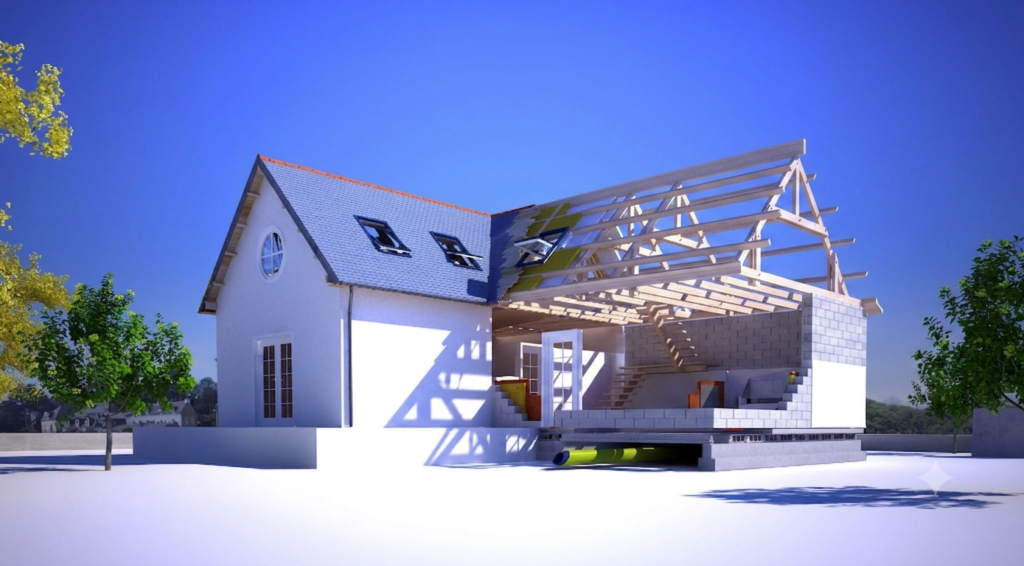
The Standard Design Process: From Concept to Construction
To successfully manage a construction project, project managers and developers must understand how professional engineering firms operate. The typical engineering workflow is structured into several highly organized, sequential phases.
Phase 1: Schematic Design (SD)
During this initial conceptual phase, the engineering team collaborates closely with the client and the architect to determine the basic scope, goals, and budget of the project. They evaluate the building site, analyze local climate data, and determine the structural space requirements needed for mechanical equipment rooms, main electrical closets, and vertical pipe chases. The focus here is on choosing the overarching system types (e.g., deciding between a chilled-water system versus a variable refrigerant flow HVAC system).
Phase 2: Design Development (DD)
Once the conceptual direction is approved, the project transitions into design development. This is where the heavy engineering and mathematical heavy lifting occur. The team performs exact heating and cooling load calculations, determines total electrical demand factors, and begins layout out the physical paths of major duct runs, primary electrical feeders, and water mains. Equipment manufacturers are consulted, and specific models are tentatively selected.
Phase 3: Construction Documents (CD)
This is the final production phase of the design process. The engineers transform their calculations and layouts into an ultra-detailed, comprehensive set of blueprints, technical drawings, and written specifications. These documents explicitly dictate every detail of the installation—including precise pipe sizes, wire gauges, valve types, circuit schedules, and equipment installation details. This complete “CD set” is what contractors use to submit accurate construction bids and what local building departments require to issue building permits.
Phase 4: Construction Administration (CA)
An engineer’s responsibility does not end when the drawings are stamped and delivered. During the active construction phase, the engineering team provides ongoing oversight. They review product submittals and shop drawings provided by contractors to ensure the ordered equipment matches the design specs, answer field questions through Requests for Information (RFIs), and conduct periodic site visits to verify that the systems are being installed safely and correctly.
Emerging Trends in Building Systems Engineering
The field of building systems is evolving rapidly, driven by urgent climate goals, technological breakthroughs, and changing human behaviors. Staying informed on these trends allows developers to build assets that remain competitive for decades.
The Push for Decarbonization and Electrification
Many forward-thinking municipalities are passing strict legislation banning fossil fuel connections in new construction. This has led to a massive surge in all-electric building designs. MEP engineers are replacing traditional gas-fired boilers and water heaters with ultra-efficient, electric air-source and water-source heat pump technologies. When paired with renewable energy sources like rooftop solar or green grid power, these buildings can achieve true net-zero operational carbon emissions.
Smart Buildings and the Internet of Things (IoT)
Modern buildings are increasingly embedded with thousands of smart, internet-connected sensors. These IoT devices monitor everything from room occupancy and ambient temperature to volatile organic compound (VOC) levels and water flow rates. Engineers design the complex low-voltage networks that collect this data, feeding it into advanced software platforms that use machine learning to predict when a mechanical part is going to fail, automatically adjusting systems to save energy without human intervention.
Sustainable Water Management
With water scarcity becoming a growing global concern, cutting-edge plumbing engineering goes far beyond basic low-flow toilets. Today’s advanced plumbing designs incorporate rainwater harvesting systems that capture, filter, and reuse roof runoff for landscape irrigation and cooling tower makeup water. Greywater systems recycle water from sinks and showers, treating it safely on-site to flush toilets, radically reducing the building’s total reliance on municipal water infrastructure.
Choosing the Right Engineering Partner
Selecting the right firm to handle your building systems infrastructure is a high-stakes decision. A poorly engineered system can result in chronic comfort complaints, astronomical utility bills, frequent equipment failures, and even catastrophic building damage from leaks or fires.
When evaluating potential engineering partners, consider the following checklist:
- Proven Track Record: Look for a firm with deep, verifiable experience in your specific asset class, whether that is a high-density multi-family residential building, a complex medical laboratory, a retail center, or a mission-critical data center.
- BIM and Tech Proficiency: Ensure the firm utilizes the latest, most advanced 3D modeling and clash-detection software to ensure seamless coordination and minimize field changes.
- Sustainability Focus: Choose a team that holds industry-recognized credentials, such as LEED AP or Certified Energy Manager (CEM), demonstrating their commitment and ability to deliver truly sustainable, low-carbon solutions.
- Collaborative Mindset: The best engineers are excellent communicators who work seamlessly alongside architects, structural engineers, and general contractors to solve problems creatively and efficiently.
Conclusion
The ultimate success, value, and longevity of any modern construction project rely fundamentally on the invisible systems operating behind its walls, ceilings, and floors. From ensuring a steady, reliable flow of clean water to maintaining an optimal ambient temperature and delivering safe, resilient electrical power, the role of mechanical, electrical, and plumbing engineering cannot be overstated. By prioritizing thorough planning, investing in professional expertise, and leveraging cutting-edge tools like 3D BIM clash detection, developers can confidently construct buildings that are safe, legally compliant, exceptionally comfortable, and highly profitable.
If you are planning an upcoming commercial development, an industrial facility, or a major residential renovation, ensuring your core infrastructure is properly and professionally engineered is the single most crucial step you can take toward a smooth construction process. To ensure your next venture is a resounding success from drawing board to completion, explore our comprehensive MEP plan services and find out how our dedicated expert engineering team can elevate your project’s performance, maximize your energy savings, and safeguard your bottom line.
What are the main benefits of hiring professional MEP design services?
Hiring professional engineering services ensures that your building’s heating, cooling, electrical, and plumbing systems are fully integrated, safe, and code-compliant. Expert design significantly lowers your long-term monthly utility bills through superior energy efficiency, prevents incredibly expensive on-site system clashes during construction using 3D BIM modeling, and future-proofs your property for upcoming technology upgrades.
How do engineers determine the right size for a building’s HVAC system?
Engineers perform highly meticulous thermal load calculations using dedicated software. They analyze the local climate, the building’s geographic orientation, insulation values (R-values), the total square footage of windows, and the heat generated by interior lighting, appliances, and human occupants. This data allows them to create a precise HVAC layout plan that ensures the system is neither oversized (which causes high humidity and short-cycling) nor undersized.
What is clash detection, and why is it important in building design?
Clash detection is a digital process performed during the design phase using 3D Building Information Modeling (BIM) software. It automatically scans the combined blueprints of the structural, architectural, and mechanical/electrical/plumbing systems to find physical overlaps—such as a water main running through a steel beam or an exhaust duct hitting an electrical tray. Resolving these “clashes” digitally saves developers thousands of dollars in material waste and idle construction labor.
How do modern plumbing designs contribute to building sustainability?
Beyond specifying low-flow fixtures, sustainable plumbing engineering focuses on advanced conservation systems. This includes designing graywater recycling systems (reusing water from sinks and showers for toilet flushing) and rainwater harvesting setups that capture roof runoff for landscape irrigation. These systems dramatically reduce a building’s reliance on municipal water while lowering operational costs.