

Articles

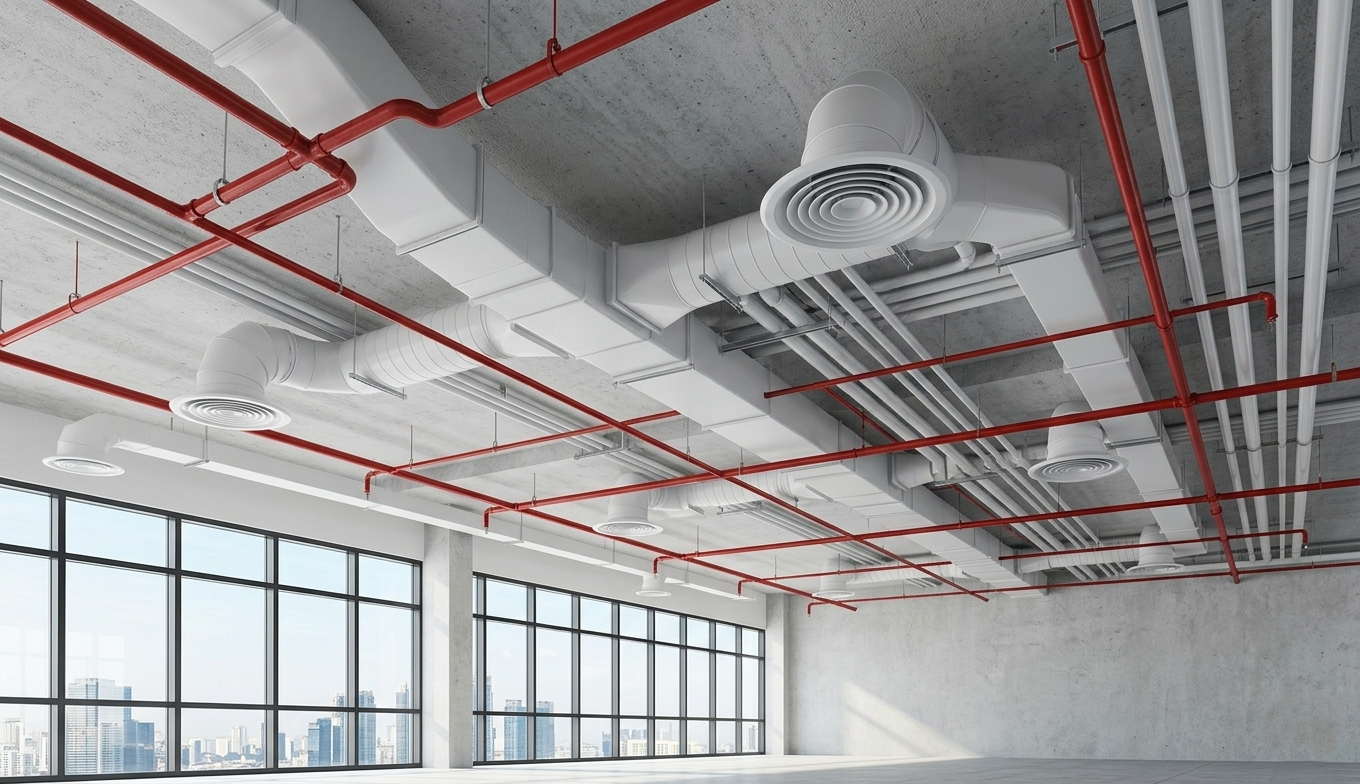
Choosing mep engineering services is the single most critical step in transforming a raw architectural concept into a living, functioning, and highly efficient reality. Mechanical, Electrical, and Plumbing (MEP) systems act as the life-support infrastructure of any building. Without meticulous engineering, a structure cannot provide the thermal comfort, safe power distribution, or clean water delivery that modern tenants demand.
As the construction industry shifts toward mandatory decarbonization, strict energy codes, and smart building integration, relying on basic, uncoordinated blueprints is no longer viable. Today’s commercial, residential, and industrial developments require a unified approach where systems are designed in harmony rather than isolation. In this extensive guide, we break down how professional building systems engineering protects your financial investment, streamlines construction, and future-proofs your property.
What Do MEP Engineering Services Cover?
At its foundation, building systems engineering is the practice of planning, designing, and managing the core physical utilities of a built environment. While an architect focuses on the spatial layout, aesthetics, and building envelope, the engineering team focuses on making that interior space habitable, safe, and functional.
Historically, the fields of mechanical, electrical, and plumbing engineering operated independently. This fractured approach frequently resulted in massive coordination issues on the job site—such as a large plumbing line trying to occupy the exact same physical space as a high-voltage electrical tray or a major structural beam. Modern engineering practices eliminate this chaos by integrating these disciplines from day one, using advanced data-driven software to ensure total systemic compatibility.
The Three Core Systems of Building Engineering
To appreciate why this comprehensive oversight is necessary, it is helpful to look closely at the distinct responsibilities, calculations, and technical demands of each individual discipline.
1. Mechanical Systems (HVAC)
The mechanical scope of work centers around Heating, Ventilation, and Air Conditioning (HVAC). This is usually the most complex, physically bulky, and energy-intensive component within a building, directly responsible for maintaining indoor air quality and precise temperature control.
Engineering teams do not rely on guesswork or simple square-footage estimates; they use specialized software to calculate precise thermal loads. These calculations take into account local weather extremes, solar radiation through glass, wall insulation performance, and the sensible and latent heat generated by interior lights, computers, machinery, and human occupants.
Armed with this data, engineers design a custom HVAC layout plan that specifies perfectly sized equipment. Sizing is incredibly sensitive: oversized units short-cycle, leading to poor humidity control, uneven temperatures, and accelerated equipment wear. Undersized units run constantly, spiking utility bills and burning out compressors prematurely.
Furthermore, ventilation design dictates how fresh outdoor air is filtered, conditioned, and circulated. This is vital for mitigating indoor pollutants, volatile organic compounds (VOCs), and airborne pathogens, keeping spaces healthy and compliant with international engineering standards like ASHRAE (The American Society of Heating, Refrigerating and Air-Conditioning Engineers).
2. Electrical Distribution and Lighting
The electrical infrastructure provides the reliable, resilient power needed to run everything from heavy mechanical equipment to delicate server racks. Electrical engineers design the path of electricity from the municipal utility line all the way to individual wall outlets, ensuring complete safety at every junction.
Key aspects of electrical design include:
- Main Infrastructure: Sizing transformers, switchgear, panelboards, and circuit breakers to handle peak demands safely without overloading the system.
- Illumination and Control: Designing energy-efficient LED lighting layouts that meet strict localized energy codes while maximizing visual comfort and incorporating smart automated dimming controls.
- Emergency Power Systems: Integrating backup generators and Uninterruptible Power Supplies (UPS) to ensure life safety systems, emergency lighting, and critical business operations remain fully functional during sudden grid blackouts.
- Low-Voltage Data Systems: Structuring the pathways, server closets, and cabling networks required for high-speed fiber internet, security cameras, access control, and intercoms.
3. Plumbing and Sanitation Systems
Plumbing engineering is a cornerstone of public health, environmental safety, and structural preservation. It governs how clean fluids enter a building and how hazardous waste fluids safely leave it.
Plumbing engineers are responsible for:
- Domestic Water Delivery: Calculating friction loss, pipe velocity, and static pressure to design booster pump systems, water heaters, and distribution networks that deliver consistent water pressure to every fixture in a high-rise or expansive complex.
- Sanitary Drainage: Designing gravity-fed waste lines and precise venting layouts that quickly move sewage away from the property while maintaining air seals to prevent dangerous sewer gases from entering occupied spaces.
- Stormwater Drainage: Engineering roof drains, overflows, scuppers, and site retention areas to handle severe downpours, protecting the structural integrity of the foundation from water intrusion.
8 Strategic Benefits of Professional MEP Engineering Services
Investing in specialized engineering expertise before breaking ground yields compounding operational and financial benefits across a building’s entire lifecycle.
1. Drastic Reductions in Utility and Energy Costs
Buildings consume a massive percentage of global energy. Advanced engineering utilizes sophisticated energy modeling to simulate building performance prior to construction. By evaluating different equipment efficiencies, lighting configurations, and energy recovery systems, engineers can pinpoint the exact combination that delivers the lowest operational cost, often dropping monthly energy bills by up to 30% or more.
2. Eliminating Expensive On-Site Construction Clashes
Modern engineering relies on Building Information Modeling (BIM) via software like Revit. Instead of flat 2D lines, engineers build a detailed, data-rich 3D digital model of all building components.
Through automated clash detection, the software flags instances where a mechanical duct runs straight through a structural steel beam or an electrical conduit intersects a plumbing drain. Correcting these errors digitally before construction costs virtually nothing. Finding them on the job site leads to immediate work stoppages, expensive change orders, wasted materials, and missed deadlines.
3. Absolute Code Compliance and Permitting Success
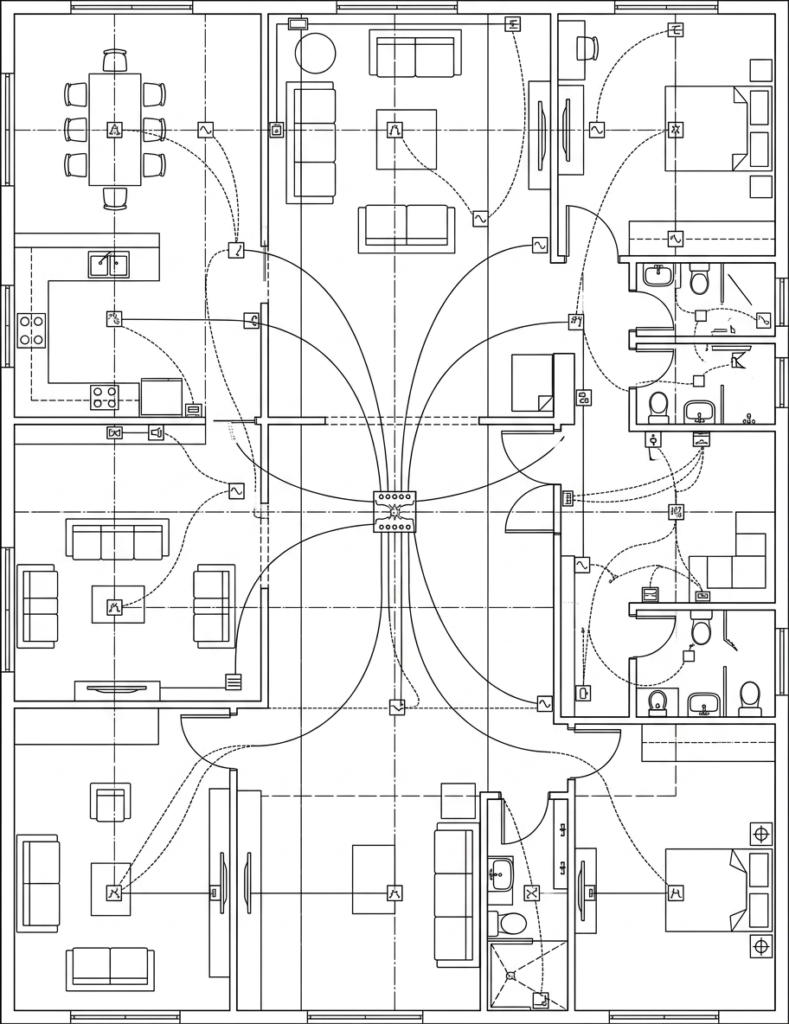
Building, mechanical, electrical, and plumbing codes are incredibly dense, strictly enforced, and vary wildly by municipality. Navigating these legal requirements requires deep professional expertise. Expert engineering guarantees that every system design meets or exceeds local building codes, state energy regulations, and national safety standards, leading to faster permit approvals and zero non-compliance fines.
4. Maximized Indoor Environmental Quality (IEQ)
The quality of an indoor space directly impacts human performance, health, and comfort. Properly engineered systems deliver clean, well-ventilated air, maintain stable thermal conditions, control indoor humidity levels, and minimize the acoustic noise generated by heavy mechanical equipment, creating a superior environment for tenants, employees, or residents.
5. Seamless System Longevity and Lifecycle Management
When building utilities are accurately balanced and matched to actual demand, they experience substantially less physical strain. Systems run smoothly within their intended parameters, reducing the frequency of unexpected mechanical breakdowns and extending the overall operational lifespan of expensive capital equipment.
6. Sustainable Water Conservation and Innovation
Water is increasingly becoming a scarce and expensive resource. Professional engineering goes far beyond installing low-flow faucets. Modern designs incorporate greywater recycling (capturing water from sinks and laundry to treat and reuse for toilet flushing) and rainwater harvesting infrastructures that collect roof runoff for landscape irrigation, significantly reducing municipal water dependency.
7. Future-Proofing Assets for Rapid Technology Shifts
Technology moves at an unprecedented pace. A building designed today will inevitably need to accommodate new, unforeseen technologies over the next twenty to fifty years. Forward-thinking engineers design inherent flexibility into their systems. They specify slightly larger electrical conduits to allow for future fiber-optic upgrades, design modular mechanical configurations that can easily expand, and prepare electrical panels for the future integration of solar photovoltaic arrays and electric vehicle (EV) charging networks.
8. Enhanced Property Value and Tenant Retention
Buildings equipped with robust, efficient, and reliable utility systems naturally command higher market values and attract premium tenants. Lower operating expenses mean higher net operating income (NOI) for property owners, while superior indoor comfort directly drives higher tenant satisfaction and retention rates.
The Structured Engineering Workflow
Understanding the typical phases of an engineering project helps developers and project managers maintain clear milestones throughout the timeline.
Phase 1: Schematic Design (SD)
The engineering team coordinates closely with the client and architect to define the overall project scope, evaluate budget boundaries, and determine the optimal system types based on the building’s intent and geographic location. The team analyzes site constraints and outlines the structural spatial requirements needed for main mechanical rooms and vertical utility risers.
Phase 2: Design Development (DD)
This is the phase where dense engineering calculations are performed. Spatial configurations are finalized, equipment models are selected from manufacturers, and the precise pathways for major ducts, pipes, and electrical main lines are meticulously laid out in a shared digital workspace.
Phase 3: Construction Documents (CD)
The final stage of active design. The team generates detailed, permit-ready blueprints, complex system schematics, and comprehensive equipment specifications. This final document package is used by contractors to submit accurate construction bids and build out the project exactly as intended on-site.
Phase 4: Construction Administration (CA)
An engineer’s job continues during active field construction. The engineering team provides crucial oversight by reviewing product submittals from contractors, answering field questions (RFIs), and conducting periodic site visits to verify that all systems are being installed safely, legally, and precisely according to the approved engineering plans.
Emerging Trends in Building Engineering
The building industry is evolving rapidly, driven by urgent climate goals and technological breakthroughs. Keeping up with these trends is paramount for maximizing the lifespan of real estate investments.
The Surge of Electrification and Heat Pumps
Many progressive municipalities are introducing legislation aimed at phasing out natural gas connections in new construction. To adapt, engineers are designing advanced all-electric buildings that replace traditional gas-fired boilers with ultra-efficient air-source or water-source heat pump technologies, significantly cutting down localized greenhouse gas emissions.
Smart Buildings and IoT Integration
Modern properties are increasingly embedded with hundreds of internet-connected sensors monitoring real-time occupancy, air quality, lighting levels, and power usage. Engineers design the low-voltage network backbones that allow these Internet of Things (IoT) devices to feed data directly into centralized automated management platforms, maximizing efficiency without human intervention.
Conclusion
The structural integrity and visual appeal of a building matter, but its ultimate operational viability rests on the complex infrastructure hidden behind its walls, ceilings, and floors. From clean water delivery to responsive climate control and safe electrical routing, the value of precise building systems engineering cannot be overstated. By leveraging cutting-edge 3D clash detection, strict code compliance, and data-driven load profiling, developers can confidently construct assets that are exceptionally efficient, safe, and highly profitable.
If you are planning a commercial development, an industrial facility, or a multi-family residential build, getting your core utilities engineered correctly is your most crucial priority. To ensure your next building project runs smoothly from the initial drawing board to final inspection, discover our full suite of professional MEP plan services and find out how our expert team can optimize your system performance.