
Articles

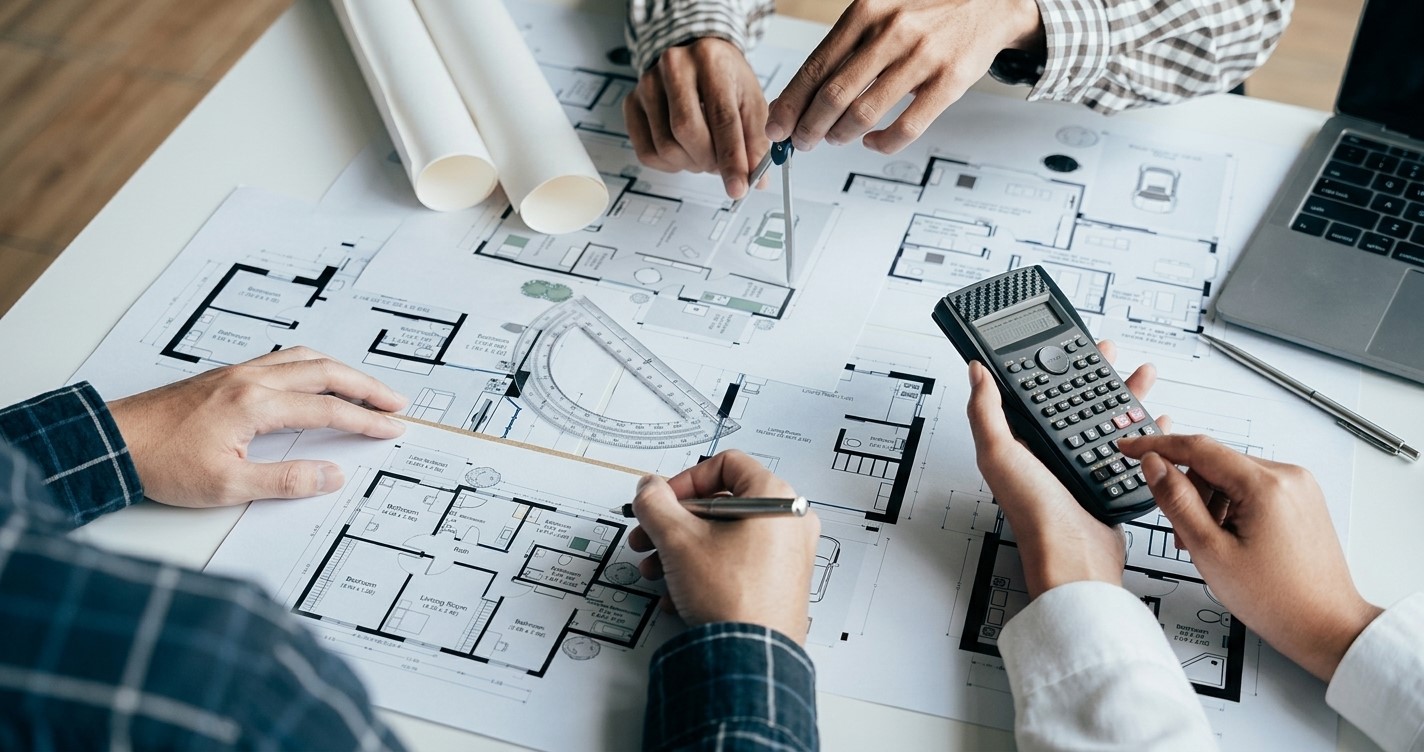
MEP design Cayman standards are critical for delivering energy-efficient, climate-resilient, and fully compliant mechanical, electrical, and plumbing engineering systems across the Caribbean. Whether you are developing a luxury waterfront resort on Seven Mile Beach, a commercial office complex in George Town, or a custom residential estate on Grand Cayman, high-performance MEP design forms the invisible backbone of safety, operational efficiency, and occupant comfort.
The Importance of Professional MEP Design in the Cayman Islands
To expand on this topic effectively, engineering strategies in the Cayman Islands must be detailed through the lens of environmental resilience, utility economics, and ceiling plenum coordination.
Mitigating Severe Environmental Degradation
Building in the Cayman Islands means exposing machinery to a continuous marine atmosphere rich in airborne sodium chloride. Standard off-the-shelf equipment quickly succumbs to rapid pitting and galvanic corrosion. Integrated MEP design addresses this by specifying specialized protection long before installation:
- Corrosion Isolation: Specifying Phenolic or Epoxy coil coatings (such as Blygold or Heresite) for exterior HVAC condensers to prevent premature degradation of copper tubes and aluminum fins.
- Marine-Grade Metallurgy: Utilizing 316 stainless steel or marine-grade aluminum hardware, cable trays, and structural supports for all rooftop infrastructure to withstand salt air exposure.
- Enclosure Sealing: Deploying NEMA 4X electrical enclosures and sealed PVC-coated conduits to prevent humid, salt-laden air from penetrating electrical panelboards and causing short circuits.
Designing for Utility Overhead and High Energy Tariffs
Because electricity in the Cayman Islands is primarily diesel-generated, all-in residential and commercial power costs rank among the highest in the Caribbean (often exceeding $0.35–$0.40 USD per kWh). Uncoordinated or oversized MEP systems create a massive permanent financial liability for building owners.
- Thermal Load Precision: Oversized air conditioners lead to short-cycling, which spikes energy bills and leaves high relative humidity indoors. Unified design matches precise cooling loads to high-SEER2, Variable Refrigerant Flow (VRF) equipment.
- Energy Recovery Ventilation (ERV): Capturing thermal energy from exhaust air to cool incoming fresh air drastically reduces the operational burden on the main cooling plant.
- Solar-Ready Electrical Frameworks: Integrating rooftop solar PV arrays and battery energy storage directly into the main distribution panel layout lowers baseline reliance on grid power.
Spatial Coordination and Ceiling Plenum Optimizations
In tropical high-rise or luxury residential developments, overhead space is heavily contested. Without precise 3D spatial coordination (BIM), trades compete for limited ceiling space, resulting in lower ceiling heights, compromised insulation, or blocked access panels.
Thermal Separation: Keeping uninsulated electrical conduit away from chilled water pipes eliminates condensation (“sweating”), which prevents ceiling mold growth and structural dry-rot.
Structural Coordination: Pitching waste and stormwater drainage pipes correctly requires top priority in the ceiling plenum, forcing flexible ductwork and electrical conduit trays to route cleanly beneath them.
Service Accessibility: Unified drawings ensure that air filters, fire dampers, and junction boxes remain accessible for routine maintenance without cutting through finished architectural ceilings.
Key Factors Driving MEP Engineering Decisions
- Severe Coastal Environment: Salt spray accelerates corrosion on exposed outdoor condensing units, support structures, and electrical enclosures.
- Elevated Utility Rates: Relying on diesel-generated grid power makes energy efficiency a primary financial metric rather than an optional add-on.
- Strict Building Codes: Developments must comply with the Cayman Islands Building Code, based on international standards modified for localized hurricane wind loads and seismic considerations.
- Water Scarcity: Reliance on desalinated water municipal networks or private rainwater harvesting demands precision plumbing designs to minimize loss and optimize storage.
Core Components of High-Performance MEP Systems
A complete MEP engineering package unifies three distinct technical disciplines into a single coordinated layout.
1. Mechanical System Design & HVAC Engineering
Air conditioning and ventilation account for the vast majority of energy consumption in coastal tropical buildings. Without precision sizing and air distribution planning, systems suffer from short-cycling, excessive humidity indoor environments, and rapid component failure.
- Variable Refrigerant Flow (VRF) & VRV Systems: Ideal for multi-zone residential and commercial properties, offering zoned cooling efficiency.
- Chilled Water Plants: Preferred for large-scale resorts and high-density commercial developments requiring centralized thermal control.
- Dedicated Outdoor Air Systems (DOAS): Crucial for dehumidifying fresh outdoor intake air before it enters occupied spaces, preventing mold proliferation.
For specialized thermal load calculations and equipment schedules tailored to tropical zones, explore our dedicated HVAC system design services.
2. Electrical System Architecture & Power Distribution
Electrical systems must deliver robust reliability while accommodating renewable energy sources such as rooftop solar photovoltaics and battery storage systems.
- Corrosion-Resistant Distribution Equipment: NEMA 4X enclosure specifications for exterior switchgear and disconnects.
- Backup Power & Generation: Automatic transfer switches (ATS) integrated with diesel or clean energy energy storage for hurricane readiness.
- Smart Lighting Controls: Daylight harvesting and motion sensors to lower interior cooling loads caused by lighting heat gain.
3. Plumbing & Water Resources Management
Water management strategies in the Cayman Islands emphasize supply security, conservation, and hygienic waste treatment.
- Hot Water Generation: Solar thermal integration, heat pump water heaters, and heat recovery from air conditioning condensers.
- Drainage & Waste Systems: Graywater recycling for irrigation and advanced sewage treatment plants (STP) where public sewer connections are unavailable.
- Stormwater Retention: Sustainable urban drainage systems (SuDS) designed to manage sudden tropical downpours and prevent site runoff into sensitive marine zones.
Climate Resilience and Hurricane Preparedness in MEP Design Cayman
Building systems in Grand Cayman, Cayman Brac, and Little Cayman must survive extreme weather events. Engineering strategies must extend beyond simple code compliance to ensure rapid operational recovery after major tropical storms.
Structural Mounting & Wind Loading
All exterior equipment, including roof-mounted air handling units, condensing units, and solar arrays, must be engineered to withstand wind velocities exceeding 150 mph. Custom curb details, vibration isolators, and high-tensile tie-downs prevent structural detachment.
Equipment Placement and Flood Mitigation
Essential mechanical equipment, main electrical switchboards, and emergency generators should be elevated above anticipated storm surge levels. Placing critical infrastructure on elevated equipment platforms or upper floors protects against catastrophic flood damage.
Coastal Corrosion Mitigation Strategies
- Powder-coated marine-grade aluminum or 316 stainless steel enclosures.
- Epoxy-coated or phenolic-coated coils on all outdoor heat exchangers.
- Sealed conduit systems preventing salty air ingress into electrical panels.
Optimizing Energy Efficiency and Sustainability
With growing emphasis on sustainable tourism and green building initiatives, high-efficiency building designs are essential for reducing life-cycle operating costs.
Integration of Renewable Energy
Integrating solar PV systems requires careful electrical coordination to manage utility grid interconnections and phase balance. Microgrid controls allow seamless transition between solar generation, grid power, and battery storage.
Advanced Building Energy Modeling (BEM)
Simulating thermal performance using energy modeling software allows engineers to optimize wall insulation, glazing selection, and HVAC system selection before construction begins.
To review complete multidisciplinary engineering strategies and BIM coordination packages, visit our primary MEP plan services.
Regulatory Compliance and Building Codes in the Cayman Islands
All engineering designs submitted for planning permission must meet strict regulatory thresholds supervised by local governing authorities, including the Department of Planning and the Central Planning Authority (CPA).
| Governing Authority / Standard | Primary Area of Focus |
| Cayman Islands Department of Planning | Overall code compliance, structural integration, and zoning laws |
| International Building Code (IBC) | Structural integrity, fire safety, and accessibility standards |
| International Energy Conservation Code (IECC) | Envelope thermal performance, HVAC efficiency thresholds, and lighting power density |
| NFPA Standards | Fire protection, sprinkler pipe sizing, standpipe systems, and alarm signaling |
For official Cayman Islands development guidelines and planning regulations, consult the Cayman Islands Department of Planning.
Overcoming Spatial Coordination Challenges with BIM
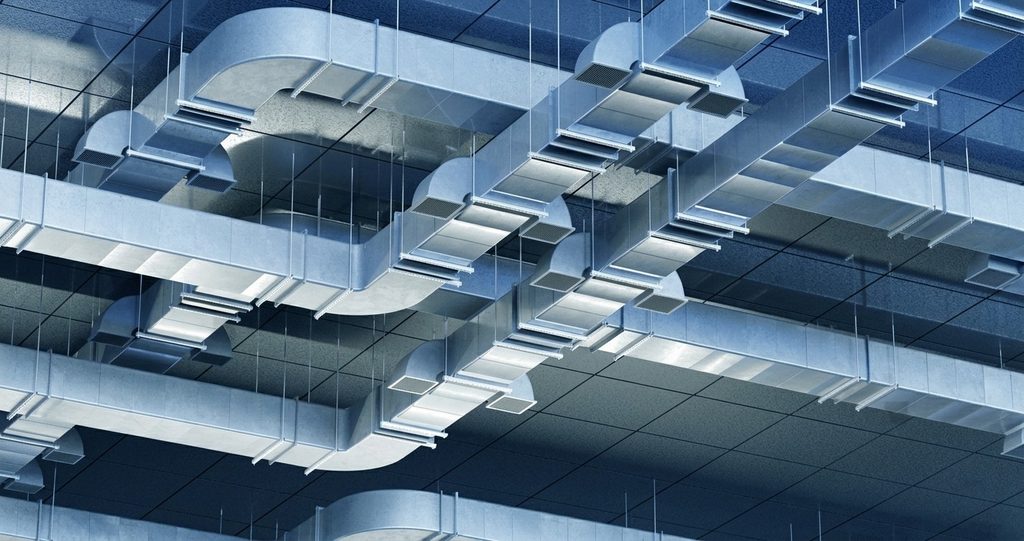
In modern construction, conflicts between ductwork, plumbing risers, conduit trays, and structural beams lead to expensive job-site change orders and delays. Utilizing Building Information Modeling (BIM) resolves spatial conflicts in a virtual environment long before site execution.
Benefits of 3D Spatial Coordination
- Clash Detection: Automated scanning identifies intersections between sprinkler lines and main AC duct runs.
- Pre-fabrication: Off-site pre-assembly of pipe racks and duct runs speeds up installation times.
- Accurate Bill of Quantities (BOQ): Precise material extraction minimizes waste imported into the island.
Best Practices for Commercial and Residential Projects
Luxury Residential Villas
High-end residential properties require silent operation, concealed ductwork, integrated home automation, and precise climate control for fine materials and artwork. Zoned VRF systems paired with concealed linear slot diffusers provide effective cooling without compromising architectural aesthetics.
Commercial Office Spaces & Retail
Commercial spaces prioritize flexibility, indoor air quality, and low operating costs. Variable Air Volume (VAV) systems, combined with occupancy sensors and central building management systems (BMS), ensure efficient energy consumption during off-peak hours.
Hospitality and Resort Properties
Resort facilities demand high-volume domestic hot water, commercial kitchen extraction hoods, multi-pool filtration systems, and robust redundancy. Centralized chilled water plants with redundant pumps ensure uninterrupted guest comfort even during routine maintenance.
Selecting the Right MEP Engineering Partner
Selecting a team experienced in Caribbean environmental requirements ensures that your project stays on schedule and operates reliably over its entire lifespan.
Key Evaluation Criteria:
- Proven Coastal Expertise: Deep understanding of marine corrosion, hurricane tie-downs, and humidity control.
- Cross-Disciplinary Coordination: Seamless collaboration between mechanical, electrical, plumbing, and structural engineering disciplines.
- Code Familiarity: Experience preparing documentation for Cayman Islands planning approval processes.
- Commitment to Sustainability: Ability to integrate renewable resources and target low operational costs.
For complete building service engineering solutions across all project phases, explore our comprehensive range of services at EngrTeam.
Conclusion
A successful MEP design Cayman project requires balancing tropical climate demands with advanced building technology. By prioritizing robust corrosion resistance, hurricane resilience, precise humidity management, and renewable energy integration, developers and homeowners can construct high-performance buildings that withstand the elements while maintaining long-term financial efficiency. Investing in professional engineering early in the planning phase delivers lower operating costs, optimal indoor comfort, and lasting structural value.