

Articles
mepf engineering firms tropical climates

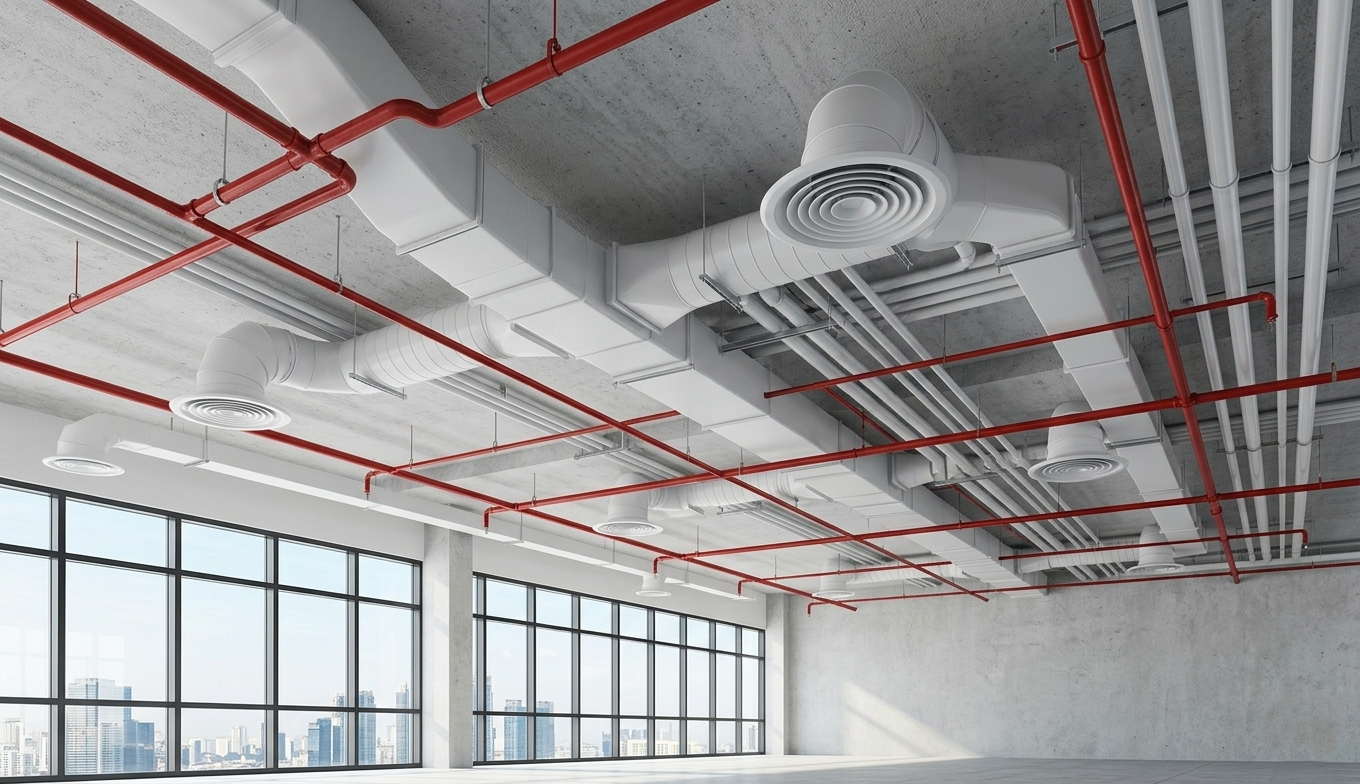
Leading mepf engineering firms tropical climates engineer high-performance mechanical, electrical, plumbing, and fire protection infrastructure specifically calibrated for extreme ambient
Table of Contents
Leading mepf engineering firms tropical climates engineer high-performance mechanical, electrical, plumbing, and fire protection infrastructure specifically calibrated for extreme ambient heat, sustained humidity, intense solar radiation, and severe atmospheric exposure. Building construction and ongoing operation account for approximately 36% of global final energy consumption and 39% of energy- and process-related carbon dioxide emissions. In tropical territories across the Caribbean, Central America, Southeast Asia, and the Pacific Rim, more than 95% of grid electricity is routinely generated via imported fossil fuels. This high dependency elevates operational utilities to major financial liabilities while magnifying structural exposure to environmental degradation.
When conventional building systems designed for temperate environments are deployed in tropical zones without adaptation, they experience rapid operational failure. Uncontrolled moisture infiltration leads to structural decay, severe indoor mold proliferation, envelope condensation, and catastrophic equipment corrosion. Consequently, engaging specialized MEPF engineering consultants who understand equatorial psychrometrics, high-salinity material science, and regional building energy standards is essential for long-term operational resilience, environmental compliance, and asset preservation.
Psychrometric Thermodynamics and Microclimate Physics in Tropical Environments
The thermodynamic challenges encountered by engineering firms in tropical regions stem directly from the underlying physics of hot-humid atmospheric conditions. Classified under Köppen climate designations Af (Tropical Rainforest), Am (Tropical Monsoon), and Aw (Tropical Savanna), these zones experience persistent dry-bulb temperatures ranging between 30°C and 40°C, coupled with sustained relative humidity (RH) levels frequently exceeding 80% to 90%.
In temperate engineering models, mechanical space conditioning primarily focuses on sensible heat removal, which involves lowering the dry-bulb air temperature. In contrast, tropical mechanical design is dominated by latent heat removal, which represents the thermal energy required to extract moisture from incoming ambient and ventilation air. Dew point temperatures in tropical environments consistently exceed 25°C. When untreated ambient air penetrates a cooled interior enclosure, moisture immediately condenses on any surface operating below the dew point temperature, triggering rapid microbiological growth, rot, and sick building syndrome.
The total cooling capacity (Qtotal) required by a mechanical air handling system is expressed mathematically as the sum of sensible heat (Qsensible) and latent heat (Qlatent):
Qtotal = Qsensible + Qlatent
Qsensible = 1.08 × CFM × ΔT
Qlatent = 4840 × CFM × ΔW
In these equations, CFM represents the volumetric airflow rate in cubic feet per minute, ΔT represents the dry-bulb temperature differential across the cooling coil in degrees Fahrenheit, and ΔW represents the humidity ratio differential in pounds of moisture per pound of dry air. In tropical zones, the latent term (Qlatent) often comprises 60% to 70% of the total thermal load. Standard commercial HVAC equipment designed for temperate regions operates at high Sensible Heat Ratios (SHR ≈ 0.80–0.90), meaning it overcools dry-bulb temperatures without sufficiently extracting latent moisture. This results in clammy, moisture-saturated indoor environments that accelerate interior degradation.
Beyond psychrometric vapor pressures, tropical building envelopes face extreme solar irradiance exceeding 1000 W/m², high atmospheric salinity that elevates corrosion threats to ISO 12944 Category C5-M (Marine), and severe cyclonic storms generating torrential precipitation rates and high wind shear.
Integrated Engineering Disciplines Managed by mepf engineering firms specializing in tropical climates
Successfully engineering built environments in hot-humid zones requires coordinating all mechanical, electrical, plumbing, and fire protection systems into a unified baseline. Project teams rely on specialized firms offering comprehensive MEP Plan Services to prevent design conflicts and ensure system longevity under harsh environmental stress.
Mechanical Engineering: Decoupled Latent Dehumidification and HVAC Architecture
Mechanical design in tropical regions requires completely decoupling sensible heat removal from latent moisture extraction. Specialized firms avoid using conventional packaged rooftop units, which cycle on sensible thermostats and leave unconditioned moisture in fresh air streams. Instead, engineers specify Dedicated Outdoor Air Systems (DOAS) equipped with active or passive desiccant dehumidification wheels and enthalpy heat exchangers. The incoming outdoor air required for ventilation is deeply dehumidified down to low dew points before entering the building, successfully processing 100% of the outdoor latent load independently of indoor space cooling.
For central cooling plants, large-scale tropical facilities utilize Variable Primary Flow (VPF) chilled water loops anchored by water-cooled magnetic-bearing centrifugal chillers. These units maintain high partial-load efficiencies under continuous ambient condensing conditions. To eliminate envelope condensation, all chilled water distribution piping, valves, and air handling connections are encased in continuous, closed-cell elastomeric insulation featuring zero water vapor permeability. Pipe supports and wall penetrations require rigid, vapor-sealed thermal isolation blocks to prevent thermal bridging and localized moisture accumulation.
Electrical Engineering: Thermal Derating, Atmospheric Corrosion, and Grid Resilience
Electrical systems in tropical territories face continuous thermal stress, high salt-air corrosion, and vulnerable municipal utility grids. Ambient air temperatures exceeding 40°C directly impair the thermal dissipation capacity of electrical conductors, busbars, and transformers. Consequently, engineers must apply mathematical derating factors to standard ampacity ratings to prevent conductor insulation breakdown and catastrophic fire hazards:
Iallowed = Irated × √[(Tmax − Tambient) / (Tmax − 25°C)]
In this relationship, Iallowed represents the adjusted current capacity, Irated represents the nominal conductor ampacity at standard testing baselines, Tmax is the maximum allowable conductor operating temperature, and Tambient is the elevated local ambient temperature.
To survive coastal atmospheric salinity, outdoor distribution switchgear, motor control centers, and variable frequency drives are specified within NEMA 4X or IP66 enclosures constructed from 316-grade stainless steel or fiber-reinforced polymer (FRP). Given that island electrical grids are frequently prone to rolling brownouts and storm outages, tropical electrical architecture incorporates hybrid microgrids combining roof-mounted solar photovoltaic (PV) arrays, Battery Energy Storage Systems (BESS), and prime-rated emergency generators equipped with tropicalized radiators, anti-condensation heaters, and moisture-resistant alternator windings. Lightning protection systems, incorporating low-impedance grounding grids and multi-stage Transient Voltage Surge Suppressors (TVSS), are also integrated across all distribution panels to mitigate frequent atmospheric electrical strikes.
Plumbing and Hydraulic Engineering: Monsoon Drainage and Water Security
Hydraulic design in tropical regions must simultaneously accommodate localized municipal water scarcity and intense, short-duration monsoonal rain events. Standard gravity roof drainage networks are ineffective during tropical downpours, where peak rainfall intensities routinely exceed Specialized engineering firms implement siphonic roof drainage systems, which utilize full-bore fluid dynamics to create negative hydraulic pressure, pulling stormwater off large roof surfaces at high velocities through reduced pipe diameters.
To safeguard potable water supplies, facility designs incorporate rainwater harvesting and greywater recycling networks. Collected stormwater from roof catchments is processed through multi-stage media filtration, activated carbon absorption, and ultraviolet (UV) disinfection arrays for non-potable uses like toilet flushing and cooling tower makeup water. Furthermore, because storm surges and municipal drainage surcharges frequently inundate urban infrastructure, sub-grade plumbing installations require heavy-duty backflow preventers and automated dual-submersible sump pumps wired to dedicated emergency power feeds.
Fire Protection Systems: Anti-Microbial Corrosion and High-Humidity Durability
Fire protection networks in hot-humid environments face internal and external structural degradation risks. Standard wet-pipe fire sprinkler systems using black steel pipe are highly susceptible to Microbiologically Influenced Corrosion (MIC). In warm water environments, anaerobic bacteria form interior colonies that pit steel pipe walls, causing system pressure loss and premature pipe failure. Tropical MEPF firms mitigate MIC by specifying schedule 40 hot-dip galvanized steel piping, internal factory-applied epoxy coatings, or continuous wet-pipe anti-microbial chemical treatment regimes.
For mission-critical infrastructure such as electrical switchgear vaults, data centers, and control rooms, water-based fire suppression presents significant operational risks. In these spaces, engineers specify clean agent gaseous fire suppression systems (such as FK-5-1-12 or Novec 1230) housed in sealed, corrosion-resistant enclosures. Outside the building envelope, all fire department connections, post indicator valves, and external hydrants are specified in marine-grade bronze, nickel-aluminum-bronze, or electro-polished 316 stainless steel to prevent corrosion-induced binding during emergency events.
Comparative Analysis of Technical Requirements: Tropical vs. Temperate Climates
| Engineering Discipline | Temperate Climate Engineering Standards | Tropical Climate Specialized Engineering | Primary Operational Failure Mode if Misengineered |
|---|---|---|---|
| Mechanical (HVAC) | Sensible-heat dominated design (SHR ≈ 0.80–0.90). Standard DX coil cycling. | Decoupled sensible/latent control (SHR ≈ 0.40–0.60). DOAS with desiccant wheels. | Indoor relative humidity >70%, rapid mold growth, indoor material decay. |
| Building Envelope Vapor Barrier | Vapor barrier installed on interior side of insulation. | Continuous vapor barrier installed on exterior side of thermal envelope. | Interstitial envelope condensation, structural wood rot, insulation saturation. |
| Electrical Enclosures | NEMA 1 indoors; NEMA 3R painted carbon steel outdoors. | NEMA 4X / IP66 316-grade stainless steel or FRP non-metallic enclosures. | Severe salt-spray oxidation, short circuits, premature equipment failure. |
| Electrical Conductor Sizing | Standard ampacity tables based on 30°C baseline ambient rating. | Derated ampacity calculations based on 40°C–45°C baseline ambient temperatures. | Thermal breakdown of conductor insulation, catastrophic electrical fires. |
| Stormwater Drainage | Conventional gravity roof drainage (maximum design 50–75 mm/hr). | High-velocity siphonic roof drainage systems (150+ mm/hr capacity). | Roof water ponding, structural overload, catastrophic roof collapse. |
| Fire Protection Piping | Standard Schedule 10/40 black iron pipe in wet sprinkler systems. | Hot-dip galvanized, epoxy-lined, or stainless steel pipe with anti-MIC treatment. | Internal pipe perforation via MIC, localized water damage, system pressure loss. |
Regulatory Frameworks and Tropical Building Codes
Designing built infrastructure in tropical regions requires strict adherence to localized performance codes tailored to extreme climate resilience and energy efficiency.
CARICOM Regional Energy Efficiency Building Code (CREEBC)
The CARICOM Regional Energy Efficiency Building Code (CREEBC), developed jointly by the CARICOM Regional Organisation for Standards and Quality (CROSQ), the CARICOM Energy Unit, the International Code Council (ICC), and ASHRAE, serves as the primary energy conservation baseline across Caribbean nations and hot-humid tropical territories. Adapted from the International Energy Conservation Code (IECC 2018) and ASHRAE Standard 90.1-2016, the CREEBC establishes mandatory minimum efficiency thresholds for building envelopes, mechanical HVAC systems, water heating, and electrical power usage.
The code enforces separate, strict compliance paths tailored to building scale and occupancy type:
- Residential Provisions: Regulates detached single-family and two-family dwellings, townhouses, and multi-family residential structures categorized under Groups R-2, R-3, and R-4 that are three stories or less above grade.
- Commercial Provisions: Regulates all commercial structures and multi-story residential buildings exceeding three stories above grade.
Under the CARICOM Regional Energy Efficiency Building Code, MEPF engineering firms must incorporate distinct performance parameters into their base designs:
- Solar Heat Gain Coefficient (SHGC): Maximum allowable SHGC for exterior glazing assemblies is strictly capped (typically $\le 0.25$), restricting the amount of shortwave solar radiation entering the building envelope.
- Building Envelope Air Sealing: Structures must incorporate a continuous exterior vapor barrier and sealed thermal boundary to prevent warm, humid air from infiltrating cooled interior spaces.
- Minimum Energy Performance Standards (MEPS): Mechanical cooling units, water heating loops, and service pumps must meet high Minimum Energy Performance Standards (MEPS) derived from regional performance studies.
Adhering to these provisions directly addresses regional energy challenges, where lowering reliance on imported fossil fuels enhances commercial competitiveness and reduces utility expenses over a building’s lifecycle.
Caribbean Uniform Building Code (CUBiC) Structural and Mechanical Integration
In addition to energy efficiency mandates, MEPF designs must comply with the Caribbean Uniform Building Code (CUBiC), which governs structural and mechanical survival during severe natural hazard events. Part 2, Section 2 of CUBiC sets strict design criteria for wind loads generated by Category 5 tropical cyclones, where wind speeds can exceed
Mechanical engineers must design rigid mounting frames and structural anchorages for heavy rooftop equipment—such as cooling towers, air handling units, exhaust stacks, and solar panels—to resist extreme lateral wind shear and uplift forces. Piping, electrical conduits, and ductwork penetrating external roofs must utilize storm-rated, flexible flashing assemblies that maintain envelope seal integrity during hurricane-force wind vibration.
Regulatory Performance Matrix: CREEBC Standard Specifications
| Building Parameter | CREEBC Residential Provisions (≤3 Stories) | CREEBC Commercial Provisions (>3 Stories & Commercial) | Engineering Purpose in Tropical Climates |
|---|---|---|---|
| Vertical Fenestration SHGC | ≤ 0.25 Maximum | ≤ 0.23–0.25 Maximum | Blocks direct shortwave solar radiation from entering interior zones. |
| Window Thermal Transmittance (U-Factor) | ≤ 0.45 Btu/h·ft²·°F | ≤ 0.36–0.40 Btu/h·ft²·°F | Limits conductive heat gain across envelope glazing assemblies. |
| Roof Insulation Thermal Resistance | Continuous R-20 to R-30 Minimum | Continuous R-25 to R-30 Minimum | Mitigates continuous solar thermal heat transfer through roof slabs. |
| Exterior Vapor Barrier | Mandatory continuous exterior vapor permeability barrier | Mandatory continuous exterior vapor barrier with fully sealed joints | Prevents atmospheric moisture infiltration driven by outdoor vapor pressure. |
| HVAC Cooling Efficiency (Chillers) | N/A (Standard split systems meet localized MEPS) | Path A/B compliance: Full-Load COP > 6.1, IPLV > 0.38 kW/ton | Minimizes utility electrical demand during continuous cooling operational cycles. |
| Service Water Heating | Minimum solar water heating fraction or heat-recovery systems | Waste heat recovery required for large domestic hot water loads | Utilizes rejected thermal energy from chillers for domestic hot water production. |
| Lighting Power Density (LPD) | ≤ 0.70 W/sq.ft (Interior building baseline) | ≤ 0.60–0.75 W/sq.ft (Space-by-space method) | Reduces internal heat gains that must be extracted by mechanical cooling systems. |
Energy Optimization, Decarbonization, and Passive-Active Integration
Achieving operational decarbonization in tropical buildings requires a unified approach that integrates passive envelope design with active MEPF engineering. Because over 95% of electrical energy in island nations is generated using expensive imported diesel and heavy fuel oil, reducing cooling demand directly aligns with regional climate action targets and United Nations Sustainable Development Goal 7 (Affordable and Clean Energy).
Passive thermal load reduction serves as the primary defense against excessive cooling loads. Engineering teams work alongside architects to optimize building orientation, specify deep exterior shading elements (louvers, overhangs, and vertical fins), and implement low-emissivity glass assemblies with low Solar Heat Gain Coefficients (SHGC ≤ 0.25). By intercepting direct solar radiation before it hits the building interior, sensible cooling requirements are reduced by up to 35%. Additionally, maintaining a continuous vapor barrier on the exterior warm side of thermal wall assemblies prevents humid air from migrating into the wall cavity, protecting structural integrity and eliminating latent moisture accumulation.
Once passive loads are minimized, high-efficiency active mechanical systems can process the remaining thermal requirements. Standard chilled water plants operate by rejecting absorbed indoor heat directly into the atmosphere through evaporative cooling towers. Advanced tropical engineering designs intercept this rejected thermal energy using heat recovery chillers.
Qrejected = Qcooling + Wcompressor
The total heat rejected by the chiller (Qrejected) equals the sum of the cooling load extracted from the building (Qcooling) and the electrical work input to the compressor (Wcompressor). Instead of exhausting this energy through cooling towers, heat recovery systems redirect hot condenser water (50°C to 60°C) to preheat domestic water systems or regenerate liquid desiccant dehumidification loops. This strategy eliminates the need for standalone electric or gas water heaters, achieving dual energy savings across mechanical and domestic plumbing networks.
Technical Procurement and Engineering Firm Selection Criteria
Selecting a specialized MEPF engineering firm for tropical projects requires evaluating key technical capabilities. Generalist engineering consultants based in temperate zones often rely on standardized design assumptions that lead to operational issues in tropical settings.
A thorough procurement evaluation should focus on four primary engineering competencies:
First, the firm must demonstrate advanced expertise in psychrometric energy modeling. Standard static load calculations fail to account for moisture migration and latent thermal dynamics. Consultants should utilize dynamic energy simulation platforms—such as EnergyPlus, IES VE, or TRACE 700—capable of decoupling sensible and latent loads, modeling hourly solar radiation, and calculating dew point variations across high-humidity operational profiles.
Second, candidates must demonstrate extensive experience specifying corrosion-resistant materials. The engineering team must produce detailed material specifications tailored to high-salinity C5-M marine environments. This includes detailing non-ferrous structural supports, hot-dip galvanized cable trays, 316-grade stainless steel hardware, non-metallic conduit networks, and specialized protective coatings (such as Blygold or E-coat treatments) for HVAC coils and heat exchangers.
Third, the firm must maintain thorough command of regional building codes and resilience standards. Candidates should demonstrate verified compliance experience with the CARICOM Regional Energy Efficiency Building Code (CREEBC), ASHRAE Standard 90.1, and the hurricane wind loading requirements outlined in CUBiC Part 2 Section 2.
Fourth, the firm must possess expertise in resilient off-grid infrastructure design. Tropical developments often require custom engineering for backup generation, hybrid solar PV and battery storage microgrids, low-impedance grounding arrays, and siphonic stormwater drainage systems capable of handling extreme precipitation events without municipal support.
Emerging Technical Innovations in Tropical Building Infrastructure
As global warming drives equatorial temperatures higher and intensifies severe weather patterns, specialized MEPF engineering firms are deploying innovative technologies to enhance building resilience and efficiency:
Thermal Energy Storage (TES) Systems
To alleviate high peak-period electrical tariffs, tropical commercial facilities are increasingly integrating Thermal Energy Storage (TES) systems. These installations operate centrifugal chillers at full capacity during off-peak nighttime hours—when lower ambient wet-bulb temperatures boost chiller operating efficiency—to freeze water into ice or chill water within insulated storage tanks. During peak daytime hours, the stored thermal energy is discharged to handle building cooling loads, allowing main chillers to operate at reduced capacity or shut down entirely. This load-shifting strategy reduces peak demand charges on local municipal electrical grids while lowering overall energy costs.
Computational Fluid Dynamics (CFD) for Microclimate Modeling
Advanced engineering firms utilize Computational Fluid Dynamics (CFD) simulations to analyze localized wind patterns, solar microclimates, and envelope thermal dynamics prior to construction. By modeling air velocity profiles around exterior structural geometries, engineers can optimize natural ventilation corridors for semi-outdoor spaces while determining precise wind uplift pressures on rooftop mechanical infrastructure. Indoors, CFD modeling ensures that air supply diffusers deliver uniform airflow patterns that prevent stagnant, high-humidity zones where mold growth could develop.
Phase Change Materials (PCM) in Envelope Assemblies
Integrating Phase Change Materials (PCMs) into exterior wall and roof assemblies provides passive thermal buffering against continuous solar radiation. PCMs are engineered to absorb, store, and release thermal energy at specific phase-transition temperatures During peak daylight hours, the PCM absorbs latent heat as it transitions from a solid to a liquid phase, preventing heat from penetrating interior conditioned spaces. At night, as ambient temperatures drop, the PCM solidifies and releases its stored heat outdoors, smoothing peak mechanical cooling loads.
AI-Driven Predictive Building Management Systems (BMS)
Modern tropical facilities are shifting from standard reactive Building Management Systems (BMS) to artificial intelligence platforms capable of predictive system control. These systems analyze localized weather forecasts, real-time solar irradiance, variable grid pricing, and historical occupancy trends to continuously optimize building operations. Predictive BMS algorithms dynamically adjust DOAS fresh air intake volumes, optimize chiller plant sequencing, manage BESS charge-discharge cycles, and fine-tune latent dehumidification thresholds before ambient humidity spikes occur.
Strategic Synthesis and Implementation Roadmap
Executing a commercial or institutional building project in tropical environments requires integrating specialized MEPF engineering early in the planning process. To avoid premature equipment failure, excessive utility costs, and indoor air quality issues, developers and project teams should follow a structured implementation roadmap:
During the schematic design phase, project teams should perform comprehensive site microclimate analyses to map solar radiation, prevailing wind patterns, and hourly dew point variations. Establishing a thermal envelope baseline—complete with continuous exterior vapor barriers, high R-value roof insulation, and low-SHGC fenestration—is critical before finalizing mechanical equipment sizes.
During the design development phase, mechanical engineers must specify Dedicated Outdoor Air Systems (DOAS) with integrated heat recovery wheels to handle latent dehumidification independently of space cooling. Concurrently, electrical and plumbing plans should incorporate derated conductor ampacities, NEMA 4X marine-grade enclosures, siphonic roof drainage networks, and anti-MIC sprinkler piping treatments.
During the construction and commissioning phase, third-party specialists must verify that all envelope vapor seals are air-tight and validate that chilled water insulation loops are continuous and vapor-sealed. Comprehensive functional testing of hybrid microgrids, emergency power transfers, and BMS predictive algorithms ensures the facility operates efficiently and resiliently throughout its operational lifespan.
- Tags: engineering services, MEP Firm
Recent Posts
- 3D Mechanical Drafting Services: The Ultimate Guide to Precision Engineering Design and Modeling
- M and E BIM Coordinator Outsourcing: The Definitive Guide to Streamlining MEP Engineering
- Cannabis Cultivation Facility MEP Design: The Ultimate Engineering and HVAC Guide
- MEP Engineering Services for Warehouse: The Ultimate Design, Installation, and Optimization Guide
- Mechanical Engineering Plumbing Design: The Complete Industry Guide