

Articles
Cannabis Cultivation Facility MEP Design: The Ultimate Engineering and HVAC Guide

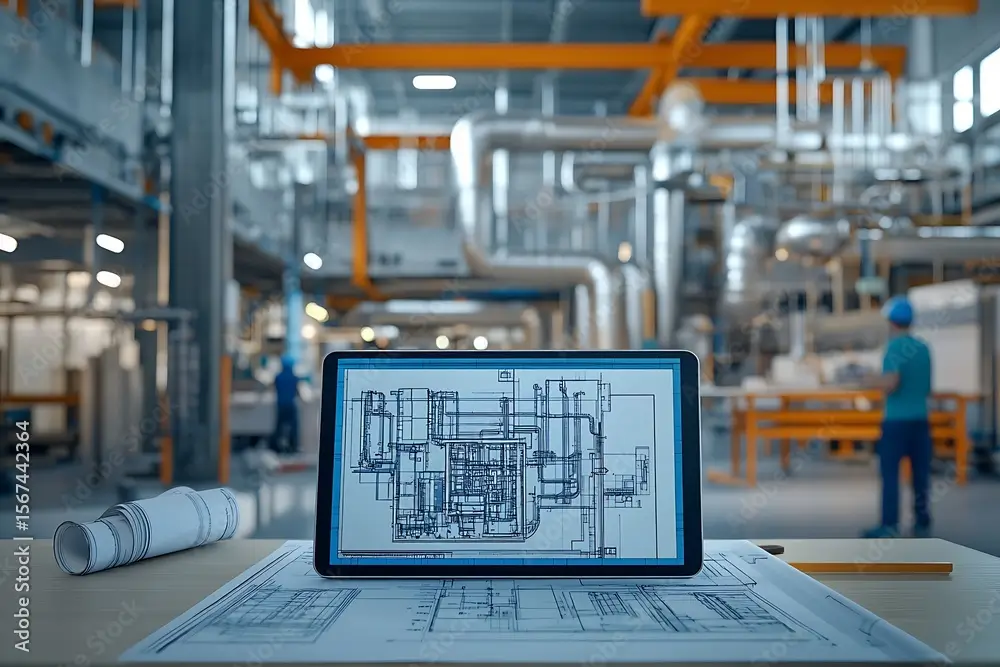
cannabis cultivation facility mep design is a highly specialized engineering discipline that requires a meticulous blend of industrial HVAC architecture,
Table of Contents
cannabis cultivation facility mep design is a highly specialized engineering discipline that requires a meticulous blend of industrial HVAC architecture, heavy electrical power distribution, precise plumbing and fertigation integration, and advanced odor control systems. Unlike standard commercial office buildings, retail spaces, or traditional agricultural greenhouses, commercial cannabis cultivation facilities operate as high-intensity, controlled-environment agriculture (CEA) ecosystems. Every single square foot of a modern grow facility places extreme demands on mechanical, electrical, and plumbing (MEP) infrastructure. Plants transpire massive volumes of water daily, high-intensity horticultural lighting generates intense thermal loads, and rigorous state and local compliance regulations mandate strict environmental monitoring. Without an expert, integrated MEP design, operators face devastating crop failures, soaring utility overhead, mold outbreaks, and regulatory shutdowns. In this exhaustive guide, we explore the intricate engineering principles required to design, build, and optimize a state-of-the-art cannabis cultivation facility.
The Core Principles of Cannabis Cultivation Facility MEP Design
Designing mechanical, electrical, and plumbing systems for a commercial grow operation goes far beyond standard heating and cooling calculations. Plants are living organisms that respond dynamically to their microclimate, and cannabis plants in particular have distinct physiological needs across different stages of their life cycle—from propagation and vegetative growth to flowering and curing.
Understanding Plant Transpiration and Latent Heat Loads
During photosynthesis, cannabis plants absorb water through their root systems and release nearly all of that water vapor back into the surrounding air through transpiration. In a large-scale commercial facility, thousands of plants transpire hundreds of gallons of water every single day. This creates an enormous latent heat load (moisture in the air) that must be continuously removed. If the MEP design fails to account for this moisture load, relative humidity spikes, leading directly to catastrophic outbreaks of powdery mildew, botrytis (bud rot), and other fungal pathogens that can destroy an entire harvest in a matter of days.
Photoperiod Control and Thermal Management
Modern cannabis cultivation relies heavily on artificial lighting to maximize biomass yield and cannabinoid production. Whether utilizing high-pressure sodium (HPS) fixtures or high-efficiency light-emitting diodes (LEDs), these lighting systems generate substantial sensible heat. Furthermore, flowering rooms require strict photoperiod control—requiring absolute darkness during the uninterrupted 12-hour dark cycle. MEP engineers must design light-tight ductwork, specialized louver systems, and robust pressurization controls to ensure that external light pollution or air exchange cycles never disrupt the plants’ hormonal balance, which can cause hermaphroditism or delayed flowering.
HVAC and Dehumidification Engineering for Cannabis Growing
The mechanical engineering subsystem is arguably the most critical component of any grow facility. Controlling temperature, relative humidity, airflow, and vapor pressure deficit (VPD) dictates the health, vigor, and final quality of the crop.
Sensible vs. Latent Heat Ratios in Cultivation Spaces
In a typical commercial building, HVAC systems are engineered primarily to handle sensible heat (air temperature) with secondary consideration for latent heat (humidity). In a cannabis cultivation facility, the ratio is flipped or heavily weighted toward latent heat. Engineers must design systems capable of stripping thousands of pints of moisture from the air while simultaneously managing the sensible heat generated by both lighting equipment and outdoor weather fluctuations. Relying on standard residential or commercial package units is a recipe for failure; facilities demand dedicated industrial dehumidifiers and commercial-grade air handling units (AHUs).
Vapor Pressure Deficit (VPD) Optimization
Vapor Pressure Deficit is the difference between the pressure of the vapor in the air and the pressure of vapor inside the plant’s leaves. Maintaining an optimal VPD ensures that stomata remain open, allowing for optimal nutrient uptake and transpiration. Achieving tight VPD control across varying canopy heights requires sophisticated HVAC zoning, variable air volume (VAV) boxes, and precision sensors. To visualize how air distribution paths intersect with racking layouts and spatial barriers, reviewing a detailed HVAC Layout Plan
is essential for eliminating stagnant microclimates and ensuring uniform airflow across every tier of the cultivation room.
Advanced Dehumidification Strategies and Energy Recovery
Because running mechanical refrigeration to cool air and then reheating it (or running simultaneous cooling and dehumidification) consumes staggering amounts of electrical energy, modern MEP designs incorporate advanced technologies. These include:
- Modulating Hot Gas Reheat Systems: These systems capture waste heat from the refrigeration cycle to reheat air when dehumidification is required without lowering room temperature below setpoints.
- Desiccant Dehumidification Wheels: Highly effective in low-temperature, high-humidity environments, desiccant systems absorb moisture chemically and regenerate using waste heat or natural gas.
- Heat Recovery Chillers: These chillers transfer thermal energy from warm spaces (like flower rooms with lights on) to cooler spaces (like drying rooms or utility rooms), drastically lowering overall energy consumption.
Electrical Power Distribution and High-Density Load Management
Cannabis cultivation facilities are among the most energy-dense commercial buildings on earth. The concentration of high-intensity horticultural lighting, industrial HVAC compressors, multi-stage dehumidifiers, fertigation pumps, air scrubbers, and security systems creates an enormous electrical load, often exceeding 50 to 100 watts per square foot.
Utility Coordination, Substations, and Transformers
Electrical engineering for a grow facility begins long before the physical buildout, starting with high-voltage utility coordination. Many mid-to-large-scale cultivation facilities require dedicated on-site utility transformers or private substations to handle loads ranging from 1,000 to over 5,000 amperes at 480V/277V three-phase power. Engineers must calculate peak demand loads, transformer sizing, power factor correction, and harmonic distortion mitigation caused by electronic LED drivers and variable frequency drives (VFDs).
Switchgear, Distribution Panels, and Branch Circuits
Inside the facility, robust electrical switchgear, main distribution panels (MDPs), and sub-panels must be strategically located to minimize voltage drop over long cable runs. Branch circuits are meticulously routed to lighting contactor panels, motorized rolling bench controllers, and HVAC equipment. Given the humid, wet environment inherent in washing down grow rooms and handling nutrient solutions, all electrical components, conduits, and enclosures must meet strict NEMA (National Electrical Manufacturers Association) ratings—typically NEMA 4X stainless steel or corrosion-resistant PVC-coated rigid metal conduit (RMC)—to prevent short circuits and electrical shock hazards.
Emergency Backup Power and Uninterruptible Power Supplies (UPS)
A sudden power outage in a sealed, highly controlled indoor cultivation facility can spell disaster within minutes. If HVAC systems and exhaust fans shut down, temperatures skyrocket, humidity spikes to 100%, and carbon dioxide levels plunge, suffocating the plants and breeding mold. Electrical engineers design comprehensive backup power systems featuring industrial diesel or natural gas generators paired with automatic transfer switches (ATS) that restore critical HVAC, lighting, and security infrastructure within seconds of a grid failure. For broader engineering standards and industrial design guidelines, professionals often reference technical publications provided by ASHRAE
.
Plumbing, Fertigation, and Water Management Systems
Water is the carrier of life in cannabis cultivation. Managing the input of pristine water and the safe disposal of nutrient-rich wastewater requires meticulous plumbing and hydraulic engineering.
Water Purification and Reverse Osmosis (RO) Systems
Tap water often contains high levels of total dissolved solids (TDS), chlorine, chloramines, heavy metals, and bicarbonates that can lock out essential nutrients or harm sensitive root zones. MEP designs must incorporate centralized water treatment rooms equipped with sediment filters, carbon filters, commercial reverse osmosis (RO) units, and ultraviolet (UV) sterilizers. This ensures that pure, sterile water is available on demand for mixing nutrient stock tanks.
Automated Fertigation Systems and Hydraulic Pressures
Modern commercial grows utilize automated fertigation skids that precisely blend stock nutrient solutions into irrigation water based on real-time EC (electrical conductivity) and pH readings. Plumbing engineers must size PVC or schedule 80 piping networks to maintain consistent water pressure across multi-zone drip irrigation systems, flood tables, or vertical aeroponic rigs. Backflow preventers (reduced pressure zone devices) are mandatory to ensure that nutrient-laden irrigation water never siphons back into the municipal water supply.
Drainage, Wastewater Treatment, and Leachate Management
Every irrigation event produces runoff (leachate). Plumbing plans must include sloping concrete floors, corrosion-resistant floor drains, trench drains with sediment traps, and sanitary sewer tie-ins. Depending on local municipal environmental laws, facilities may be required to treat wastewater on-site to remove excess nitrogen, phosphorus, and organic matter before discharging it into the public sewer system or recycling it through closed-loop filtration systems.
Odor Control and Air Filtration Engineering
As the commercial cannabis industry expands, local zoning boards and municipal authorities enforce stringent odor mitigation ordinances. Cannabis plants, particularly during the late flowering stage, emit powerful volatile organic compounds (VOCs) known as terpenes. If left unchecked, these aromas can travel miles, triggering public complaints and regulatory fines.
Negative Air Pressure Containment
MEP engineers design facilities with differential air pressure zoning. Flower rooms, drying rooms, and packaging areas are maintained under negative air pressure relative to hallways and the outdoors. This ensures that whenever doors are opened, air flows inward rather than allowing pungent terpenes to escape into the surrounding community.
Air Scrubbing, Carbon Filtration, and Ozone/UV Systems
Exhaust air from cultivation and drying spaces cannot simply be dumped outside. Mechanical and ventilation designs incorporate multi-stage filtration trains:
- Pre-filters: Capture large dust particles, hair, and plant debris.
- HEPA Filters: Capture microscopic pollen, mold spores, and particulate matter down to 0.3 microns.
- Commercial Activated Carbon Scrubbers: Granular activated carbon (GAC) beds adsorb terpene molecules and neutralise VOCs effectively.
- UV-C Photochemical Oxidation: Destroys airborne pathogens and breaks down organic odor compounds at a molecular level.
Fire Protection, Life Safety, and Regulatory Compliance
Life safety and fire protection engineering in a cannabis facility is governed by complex intersections of building codes, fire codes (such as NFPA standards), and state agricultural regulations.
Fire Suppression in High-Density Grow Environments
The combination of high-intensity electrical loads, dense vegetative canopies, high-pressure HID/LED lighting fixtures, and automated extraction equipment (if processing on-site) creates unique fire risks. Fire protection engineers design specialized sprinkler systems tailored to rack storage and high-ceiling configurations. Pre-action sprinkler systems are frequently utilized in electrical rooms and cultivation spaces to prevent accidental water discharge onto live high-voltage equipment, requiring both a smoke/heat detection trigger and a sprinkler head activation before water flows.
Carbon Dioxide (CO2) Safety Systems
To supercharge photosynthesis and accelerate growth rates, many commercial indoor facilities supplement ambient air with bottled liquid CO2 or on-site CO2 generators, elevating concentrations from ambient 400 PPM up to 1,200–1,500 PPM. Because high concentrations of carbon dioxide act as an asphyxiant, life safety codes mandate the installation of continuous CO2 monitoring sensors tied into audible/visual alarms, emergency exhaust ventilation fans, and automatic gas shut-off solenoids to protect workers entering the cultivation rooms.
Streamlining Construction with Professional Engineering Services
Building a commercial cultivation facility requires the seamless synchronization of architectural, structural, mechanical, electrical, and plumbing trades. Misalignment between engineering disciplines can result in costly change orders, construction delays, and failed building inspections.
BIM (Building Information Modeling) and Clash Detection
Top-tier engineering firms utilize advanced Building Information Modeling (BIM) software, such as Autodesk Revit, to construct a comprehensive 3D digital twin of the facility. Through rigorous clash detection processes, engineers identify and resolve physical conflicts—such as a large HVAC duct running directly into a primary electrical cable tray or a high-capacity drain pipe intersecting structural steel columns—long before ground is broken. This digital coordination ensures smooth on-site installation, optimal material usage, and adherence to strict project timelines.
Comprehensive Design and Permitting Blueprints
Securing local building permits for a cannabis facility is notoriously challenging due to evolving regulatory frameworks. Property developers, investors, and cultivation operators looking for precision engineering can leverage specialized MEP Plan Services
to ensure all mechanical, electrical, and plumbing schematics comply fully with international building codes (IBC), mechanical codes (IMC), electrical codes (NEC), and local municipal ordinances. Partnering with experienced engineering teams guarantees that your facility’s design documents pass plan review smoothly, enabling faster construction and quicker time-to-market. For broader inquiries regarding custom engineering workflows and facility layouts, explore our core capabilities at EngrTeam
.
Best Practices for Long-Term Facility Maintenance and Energy Optimization
Once a cannabis cultivation facility is constructed and operational, the work of the MEP systems does not stop. Continuous operation under harsh, high-humidity environments accelerates wear and tear on mechanical and electrical equipment.
Preventative Maintenance Schedules and CMMS Integration
Facility managers must implement a rigorous preventative maintenance (PM) schedule utilizing a Computerized Maintenance Management System (CMMS). Routine tasks include:
- Cleaning and replacing HVAC air filters and UV-C lamps on strict schedules.
- Inspecting electrical switchgear, checking for loose terminations, and conducting thermographic infrared scans to identify overheating breakers.
- Calibrating environmental sensors (temperature, humidity, CO2, VPD) monthly to prevent drift.
- Flushing plumbing lines, checking backflow preventers, and sanitizing RO storage tanks.
Energy Efficiency Upgrades and Smart Controls
Energy represents the single largest operational expense for indoor cultivation, often accounting for 30% to 50% of total operating costs. Upgrading to variable speed compressors, integrating LED horticultural fixtures with intelligent dimming controls, and deploying centralized automation platforms that adjust HVAC loads based on real-time weather and plant respiration data can yield massive long-term financial returns and significantly reduce the facility’s carbon footprint.
Conclusion
The success, profitability, and longevity of any commercial grow operation depend entirely on the precision and resilience of its engineering infrastructure. A flawless cannabis cultivation facility mep design bridges the gap between biological science and industrial engineering, ensuring that climate control, power distribution, water management, and air purification operate in perfect harmony. By prioritizing robust HVAC dehumidification, high-density electrical planning, stringent odor mitigation, and professional MEP coordination from day one, cultivators can safeguard their crops, minimize operational overhead, and build a thriving, sustainable business in the competitive global cannabis market.
- Tags: Engineering, HVAC, mep design
Recent Posts
- Cannabis Cultivation Facility MEP Design: The Ultimate Engineering and HVAC Guide
- MEP Engineering Services for Warehouse: The Ultimate Design, Installation, and Optimization Guide
- Mechanical Engineering Plumbing Design: The Complete Industry Guide
- MEP Engineering Services: The Ultimate Guide to Modern Building Design and Efficiency
- HVAC BIM Services Transform: Streamlining Building Performance, Efficiency, and Coordination